




![“[I love to photograph volleyball] because I play it myself and I like how fast-paced it is. It’s very action based," said Tanner Hering.](https://rampage.d127.org/wp-content/uploads/2026/05/Screenshot-2026-05-13-212955.png)




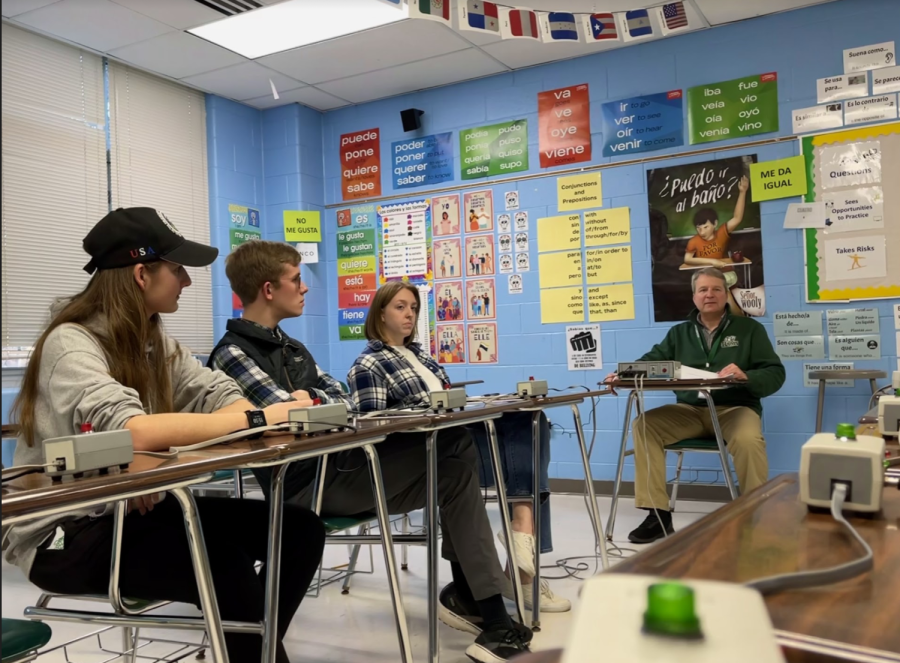



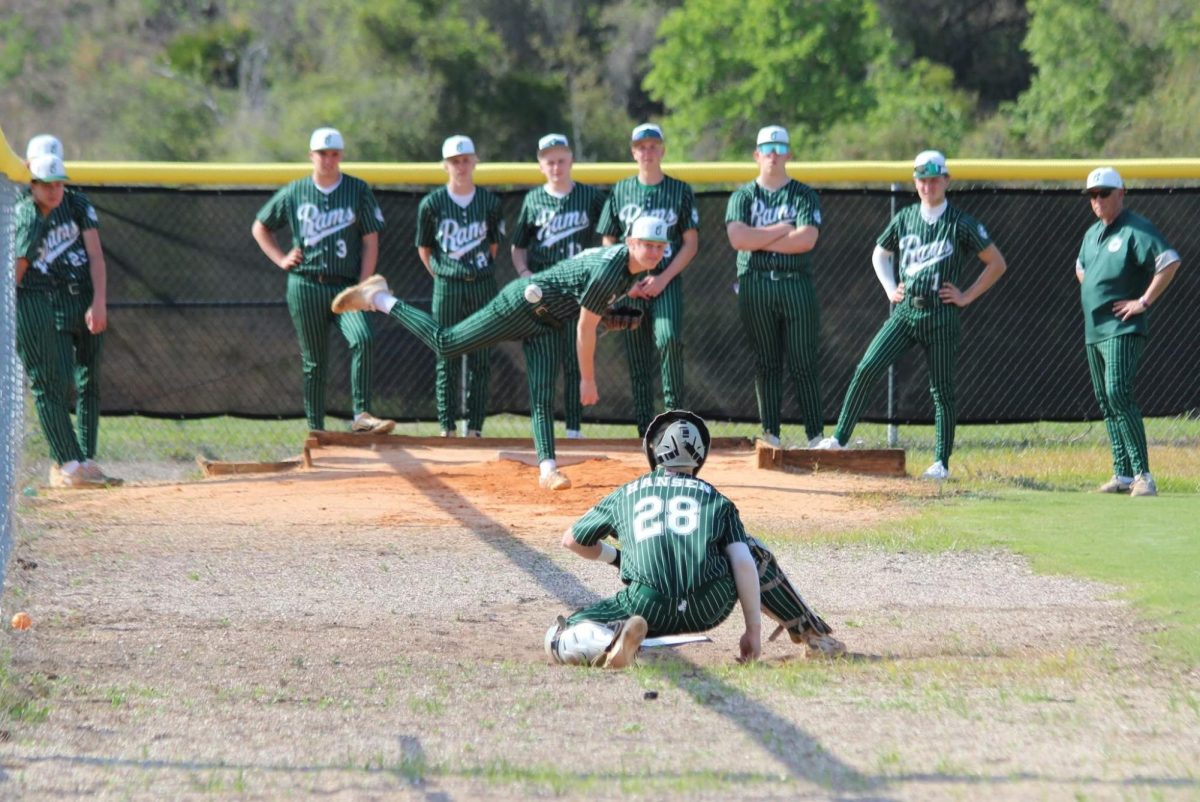

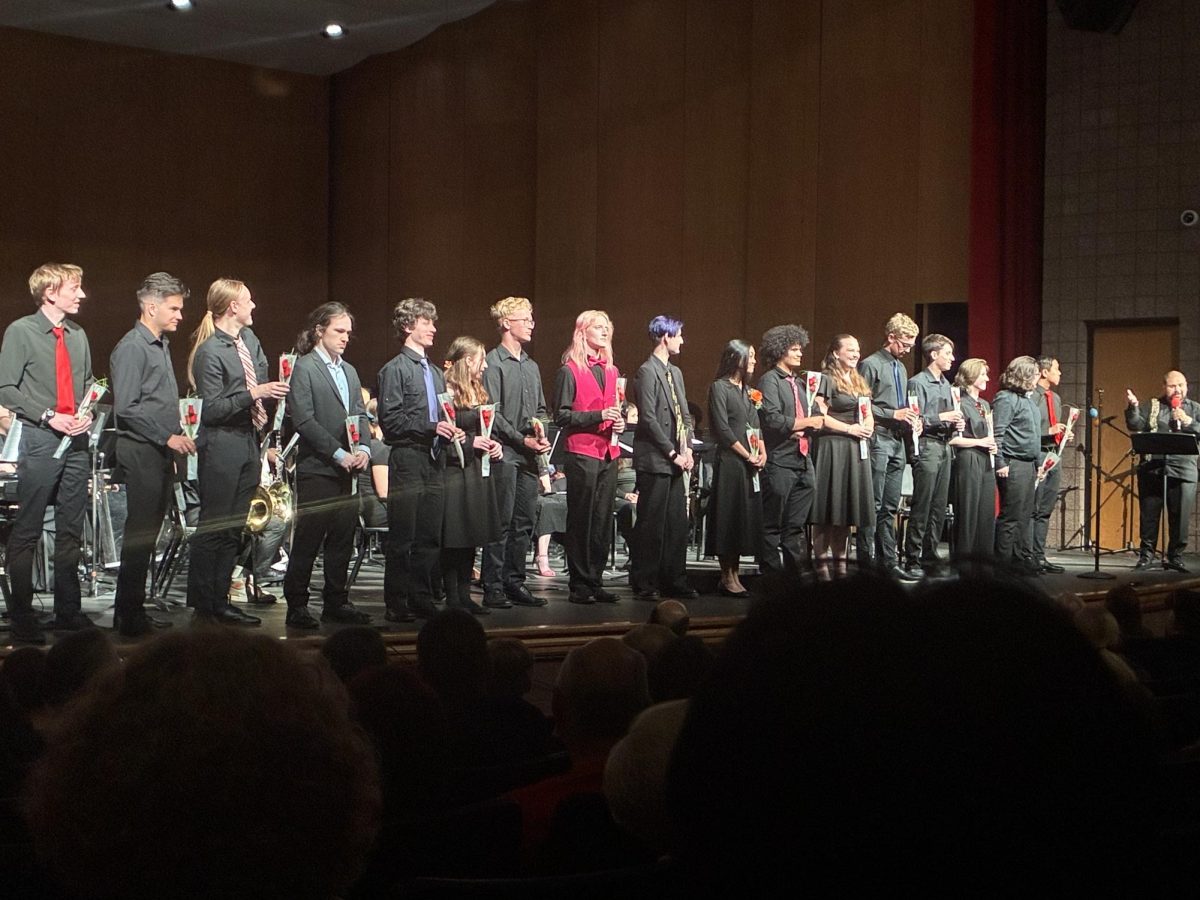









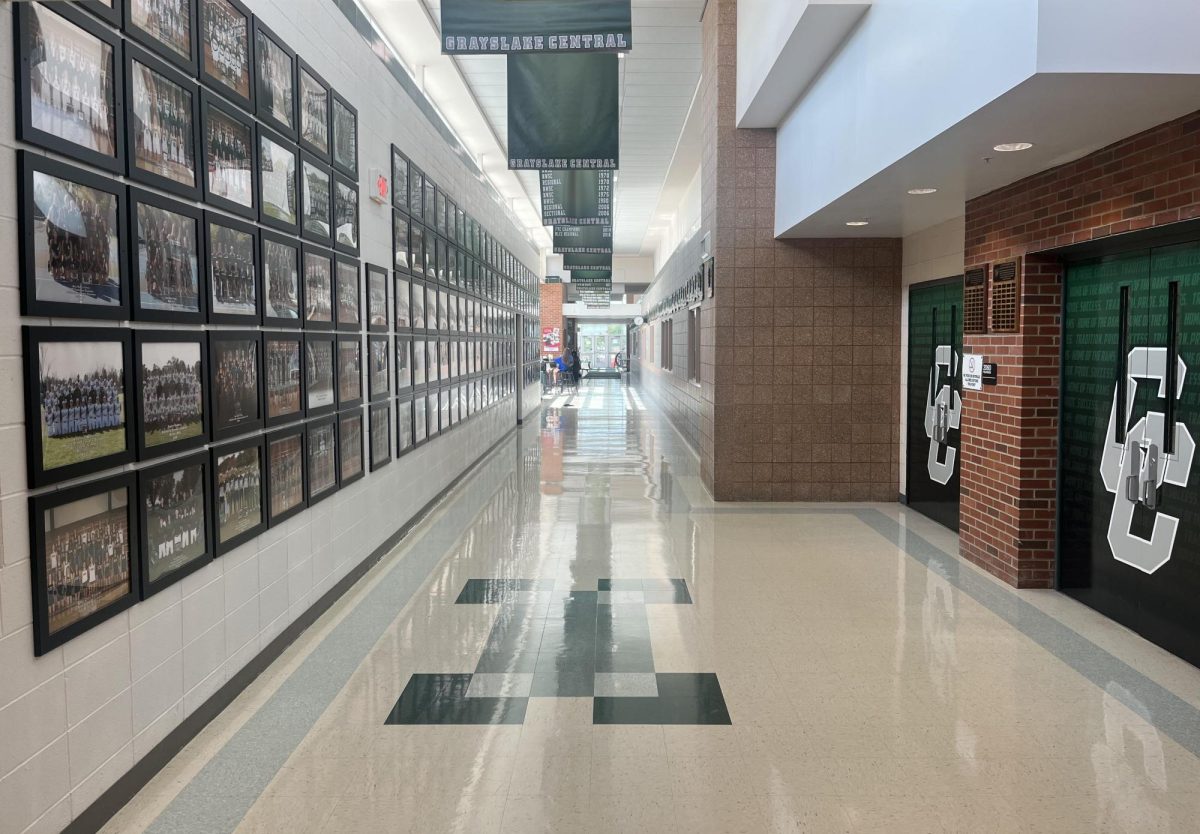
Grayslake Central High School has no shortage of clubs for students to join. There are sports and competitive teams, and there are also casual clubs designed for students to make new friends and meet new people. However, some clubs fly under the radar at times. It can be a struggle recruiting new members when senior club members graduate, however, some club sponsors have gotten creative when it comes to getting their clubs out there.
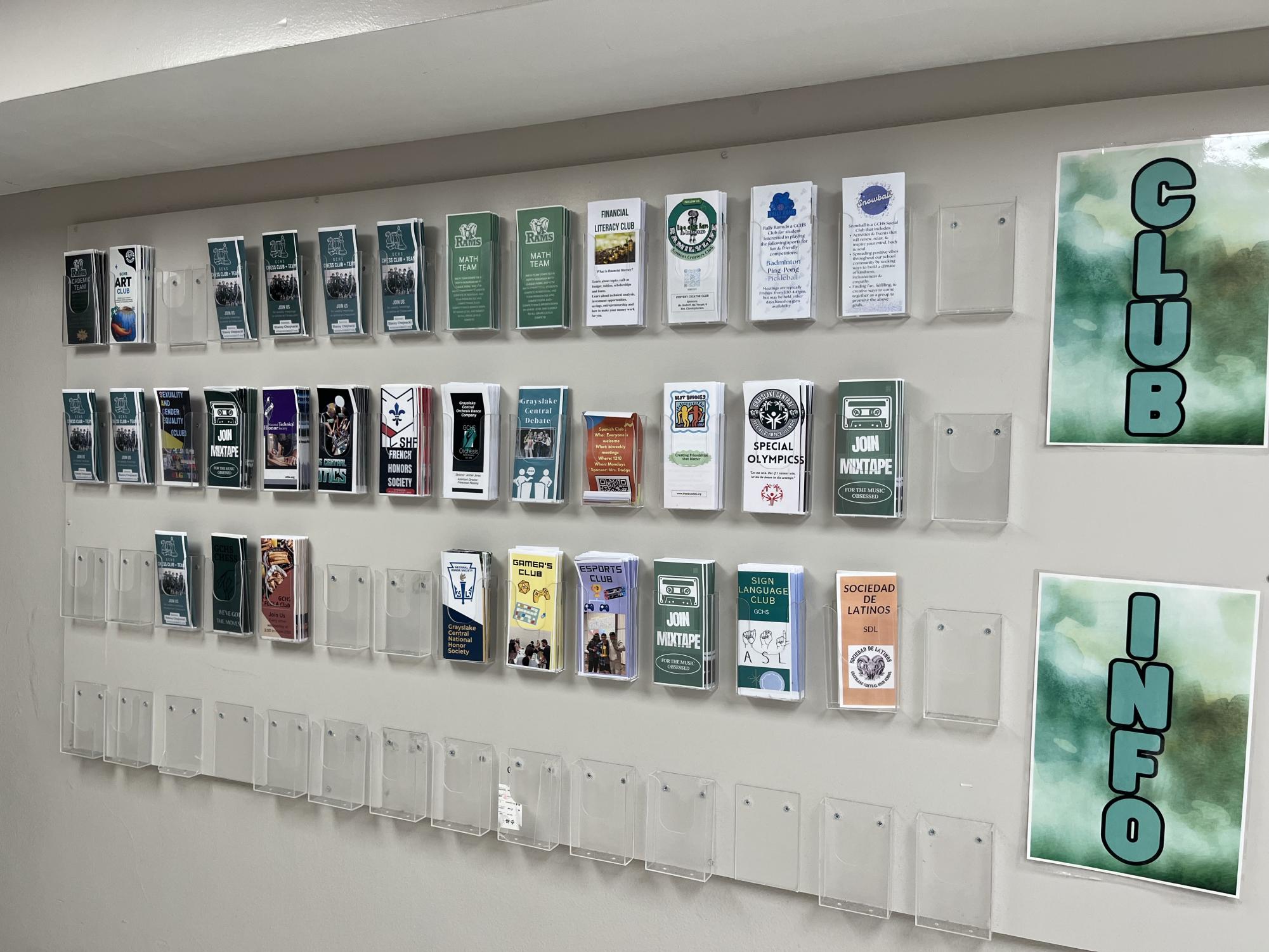
“We put advertisements in the announcements at advisory sometimes,” said Inkblots club sponsor and English teacher Heather Fee-Alvarez. “We also go to Eighth Grade Night and talk about the club and what it involves. We also have advertisements in the hallways. […] But I think it’s really hard to capture people’s attention, and also hard to communicate exactly what the club is about in written form.”
While it is unfortunate for some students, some clubs ultimately are not successful and are not allowed to run or continue due to low attendance rates. However, many club sponsors have faith that their clubs will be able to continue for a long while.
“I’m confident that Inkblots is sustainable, but I think that it might have to change form,” said Fee-Alvarez. “I know that the [literary magazine at Grayslake North] has already gone to a digital platform instead of a printed book. […] That may be the direction that we have to go if we want to keep members.”
English teacher Elizabeth Ryan, sponsor of SAGE and co-sponsor of Mixtape, said “With a club like SAGE, it’s sort of a protected club. We want to make sure that there’s always a safe place for students, so I’m not worried about it not being able to run because of membership. With Mixtape, because it serves a function within the school, we will always have Mixtape. However, I used to run the International Club, and we shut that club down because we didn’t have enough regular members. I think a lot of the competitive clubs usually have the membership they need, […] but pilot clubs have to worry about that a lot.”
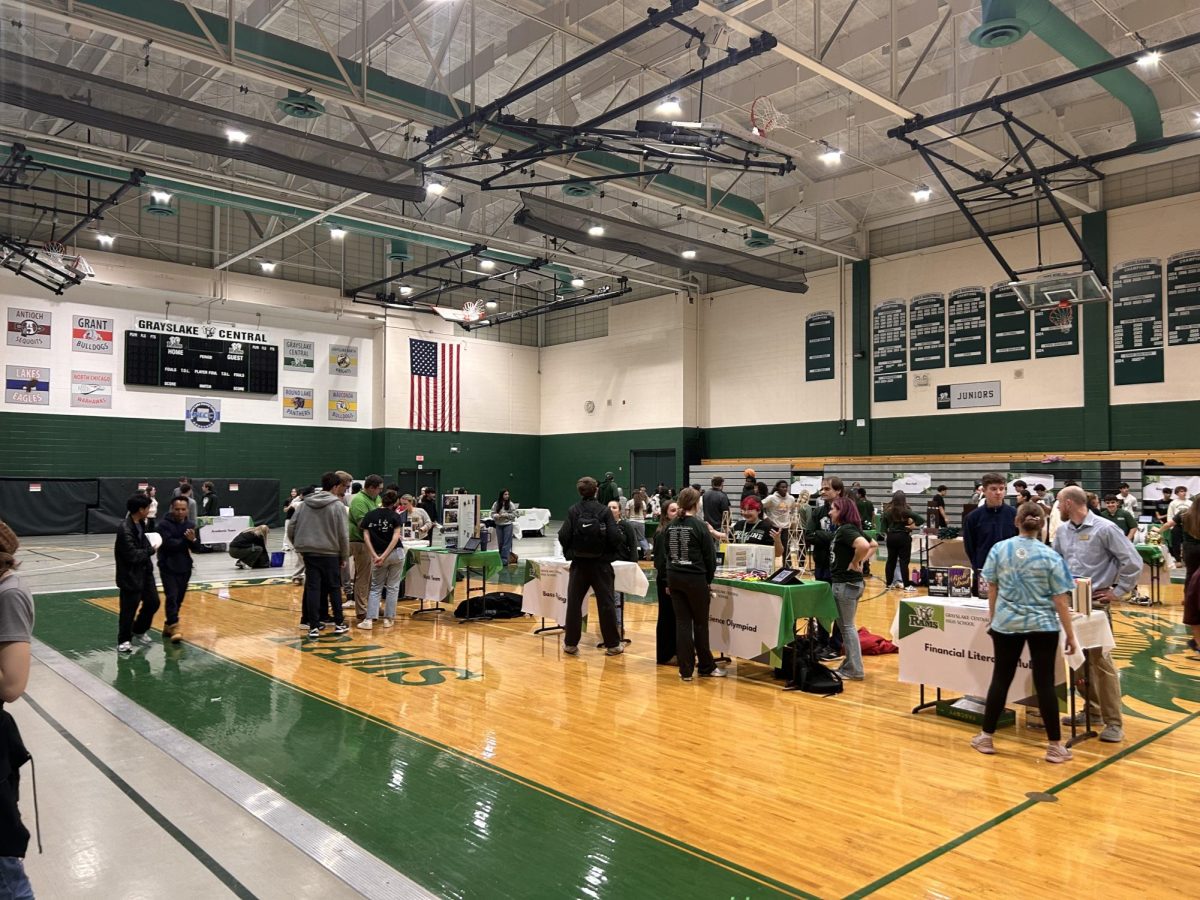
While SAGE, Mixtape and Inkblots are all clubs that are more “casual,” some clubs, such as Science Olympiad and Debate, are more goal-oriented and even compete against other schools’ clubs at times. It could be a desire for competition, as well as the enjoyment of working on something with a team, that makes these clubs more attractive to certain students.
“Debate is a competitive club, and there’s work that goes along with it if you want to be successful,” said Debate head coach Chris D’Amico. “Some students think, ‘I won some awards, and I like that. I like the recognition. So I’m more likely to come back.’ Though, even if you don’t win an award, on our team, we help each other out. So it’s not just the coaches that are helping, but it’s the older varsity members that are helping train the younger ones.”
While there are factors built into the nature of the clubs themselves that can be motivators for students to join, there is also great power in word of mouth. Students joining clubs and inviting their friends to come with them can be a surefire way to get more members.
“Word of mouth helps. Some students will join [Debate] as friends. […] So they’re close, and they’re learning together, which I think is good. [A student thinks], ‘I know I’m going to an activity, and my friend’s gonna be there, and we’re going to learn through this together. We can help each other out,’” said D’Amico.
“It’s the tough thing about the social clubs, that it takes really dedicated members to create a sort of camaraderie,” said Ryan. “If you don’t have those, and they’re not pulling other kids in from other spaces, it will be sort of a smaller group. It can still be tight knit, but that was when [SAGE] had the most people showing up, when we had four years with a group of dedicated students.”