
![“[I love to photograph volleyball] because I play it myself and I like how fast-paced it is. It’s very action based," said Tanner Hering.](https://rampage.d127.org/wp-content/uploads/2026/05/Screenshot-2026-05-13-212955.png)














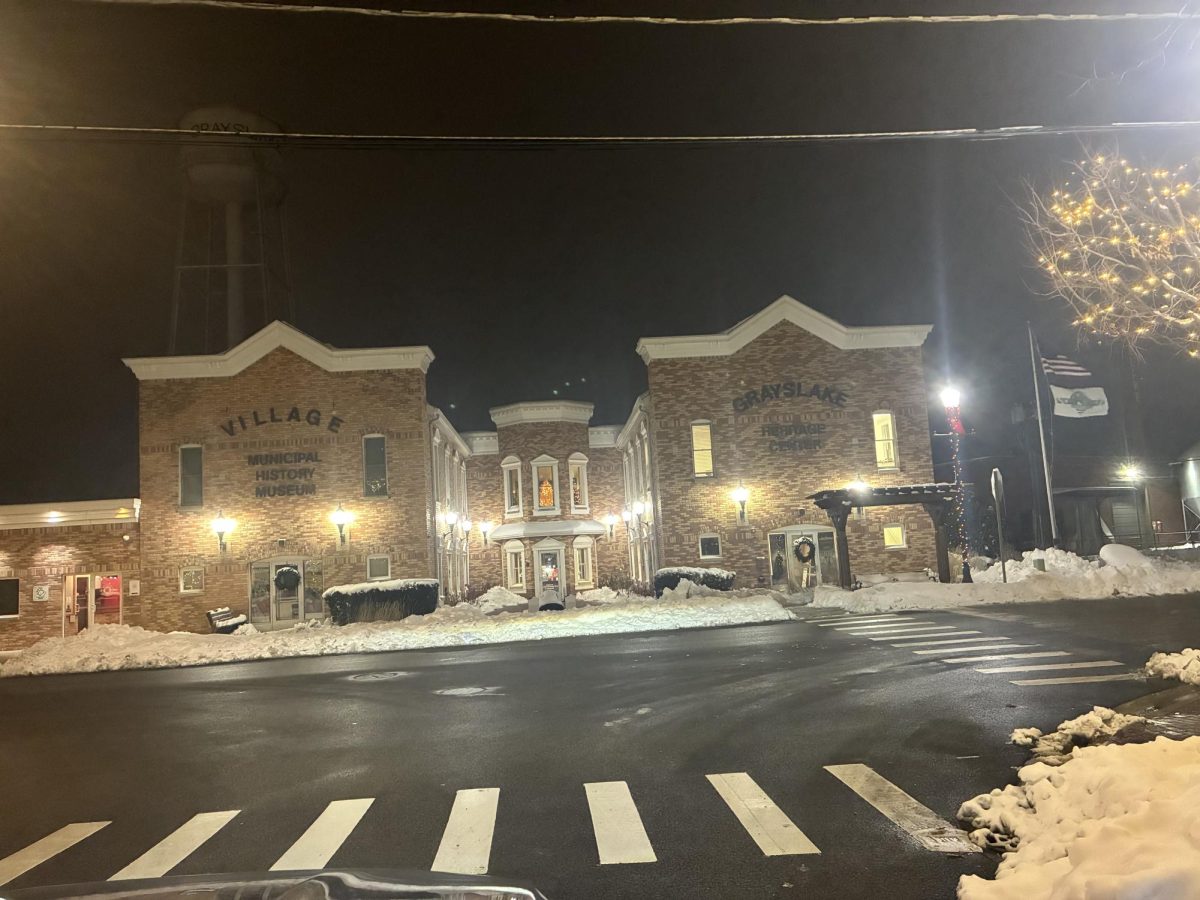
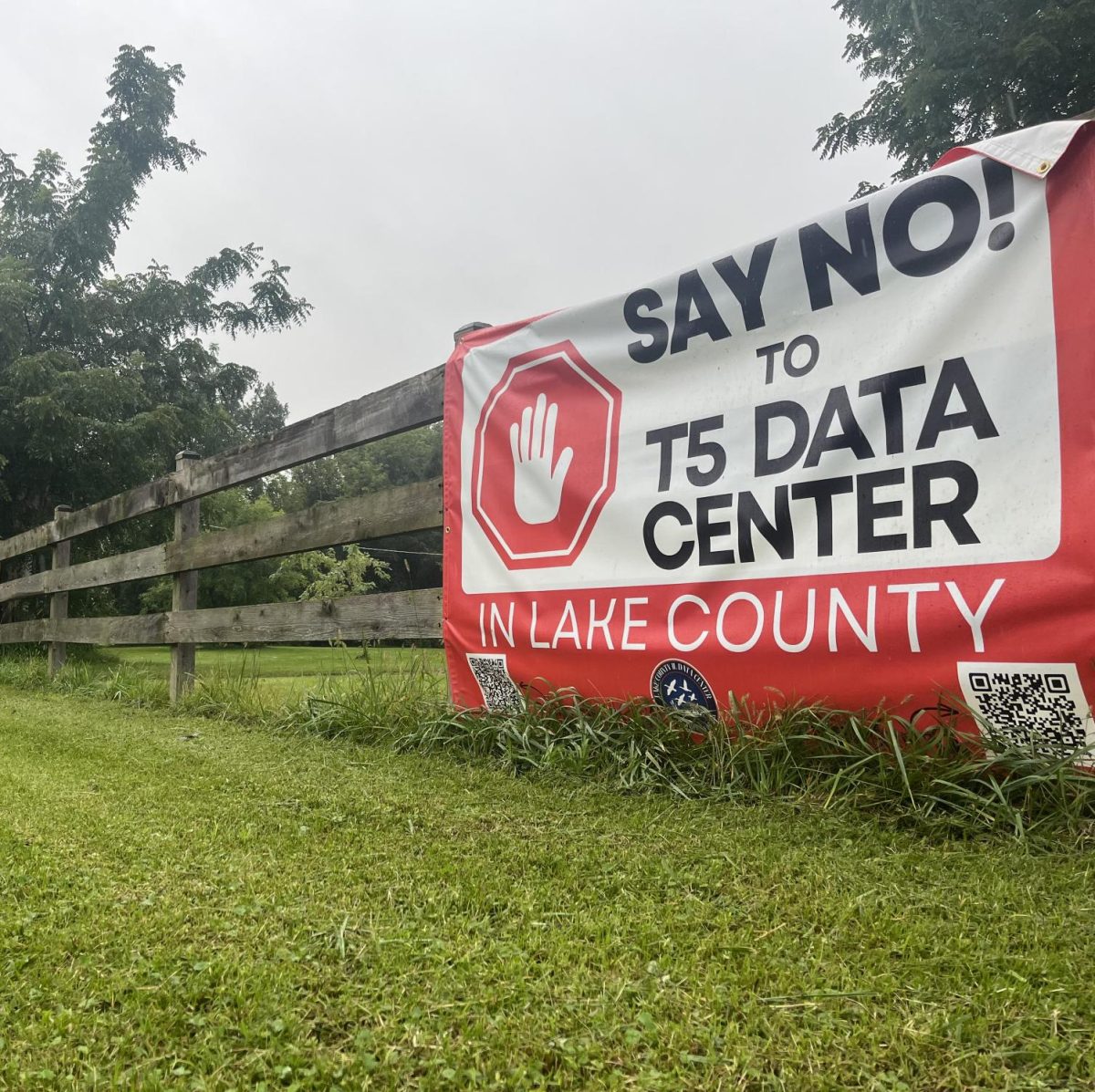
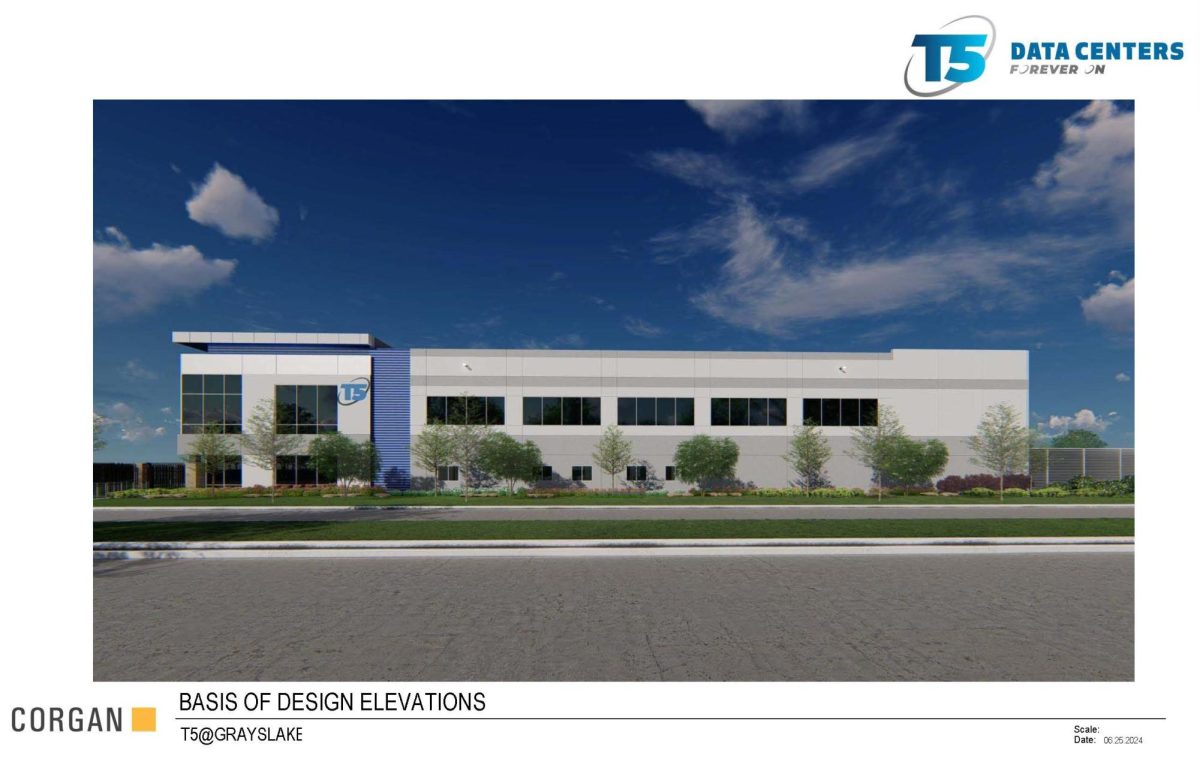
472 acres. That is the amount of land that will be used in Grayslake for an upcoming data center project, provided by the Georgia based company T5 Data Centers. Over an eight month period, the Village of Grayslake gave authorization for the company to develop a data center
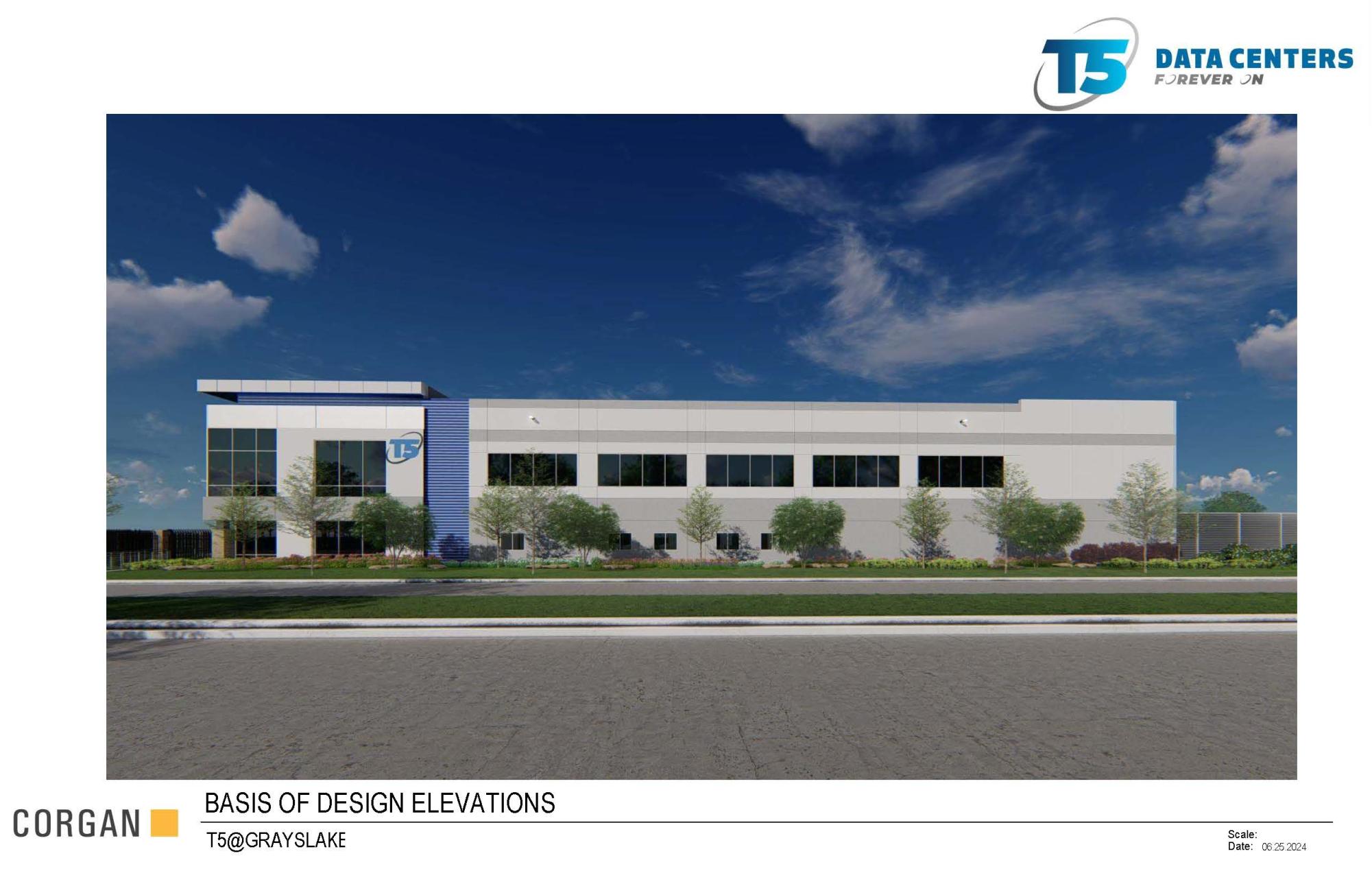
within the town of Grayslake. The Village Board has taken much time and consideration into what the data center will bring and how it will push forward the future of Grayslake. Having said that, what are data centers, and ultimately what do they mean for the community of Grayslake?
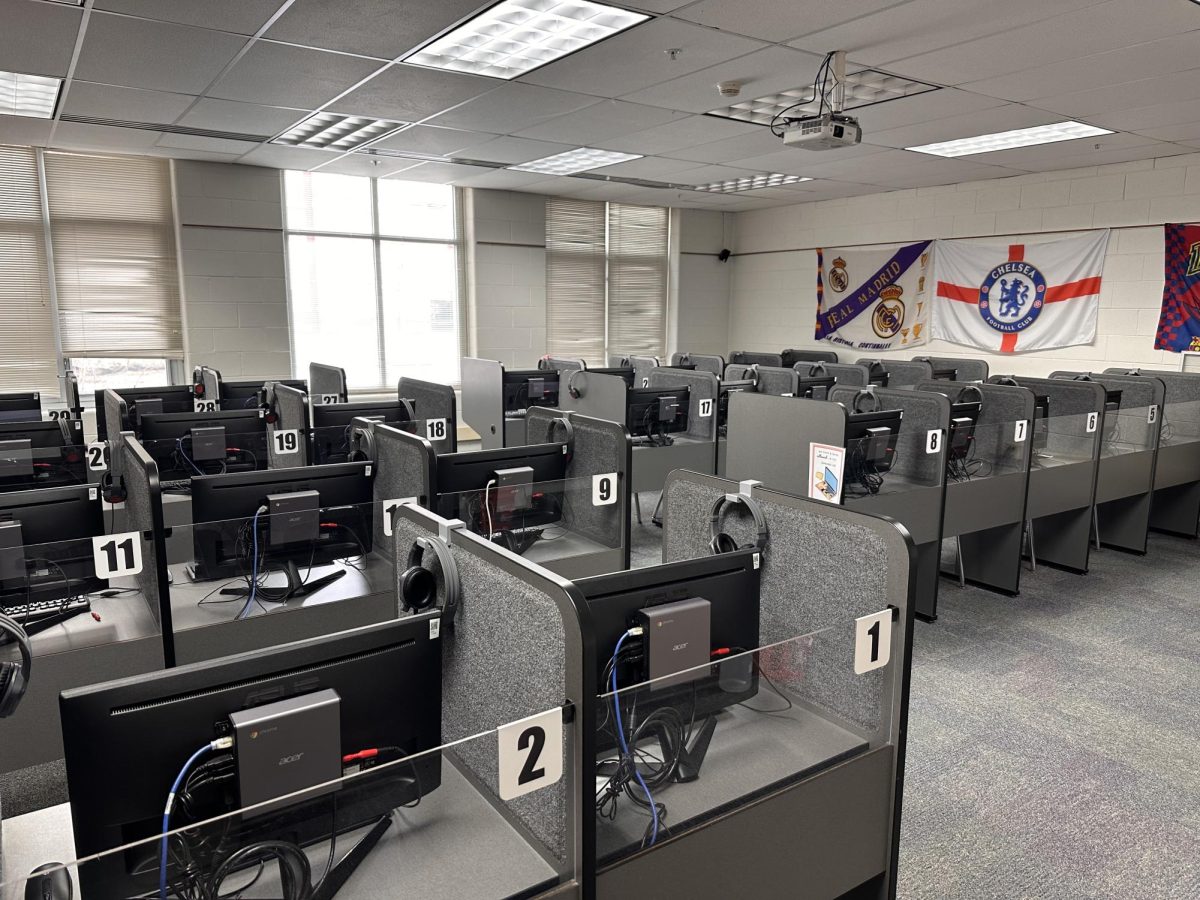
There has been an increasing presence of data centers in the United States in recent years. According to the Data Center Map, an official website that tracks the amount of data centers in the U.S., they show that as of the time of publication there are an estimated 4,247 data centers built across the United States. The concept of a data center is quite simple. Data centers are buildings that hold a large number of computer servers. These computers are used to store, process, and transmit digital data. The question is, why would we need to have so many buildings for this purpose, and why at such a large scale? In an FAQ provided to Rampage by Alison Lindburg, the Director of Sustainability in the town of Aurora, Illinois, the document explains what services their data center provides. Lindburg said, “Data centers support many services people use every day, such as cloud computing, artificial intelligence (AI) systems, online banking and financial transactions, streaming video and social media, [and] government and business data systems.”
So why is Grayslake planning to build one of these centers? Rampage sat down with the Mayor of Grayslake, Elizabeth Davies, in early February to discuss the data center project, and what it means for the town. From the perspective of Mayor Davies, this building means a step forward to a better, and more advanced village. When discussing the benefits of the center, Mayor Davies said “Computing gets better. We can do research. We can really extend what we’re gonna be able to do, from national security to inventions to even green industries. All that can benefit from sort of data collection, data storage, and then also computing that goes faster, and computing that also helps us with intelligence.” Beyond the technological advancements of the data centers, Mayor Davies also discussed the financial impacts of the data center. Mayor Davies spoke about a non-residential tax base, saying, “We’ve always looked at that particular area as that way for that non residential property tax base, right? I think that’s exciting, because it’s something that I feel that our community hasn’t really had a major industry. We have our small downtown. We have some retail. We do really well. We have a lot of businesses, but at the same time, this is a really great spot for us that now to say, ‘Hey, look at all of this land that we’re now able to bring into the village,’ and we’re able to bring a tax base into so it’ll be about it’ll be a great addition for that aspect.”
Although data centers can bring benefits, it cannot go unsaid the negatives of data centers, and what the long term consequences will be for not just people and the environment, but also residents’ finances. According to NPR Illinois, “A new analysis from the Union of Concerned Scientists shows that data centers in Illinois could add up to $37 billion to the cost of electricity over the next 25 years.” An increase of electricity bills isn’t the only concern among critics of these centers. According to Izaak Walton League of America, an environmental organization, “[Data Centers] consume enormous amounts of electricity—projected to reach 12% of total U.S. demand by 2030—and their energy use can increase air pollution, require new power infrastructure, and slow the clean energy transition. Water use is equally concerning: many centers require millions of gallons per day, straining drinking water supplies, agriculture, and ecosystems.”