
![“[I love to photograph volleyball] because I play it myself and I like how fast-paced it is. It’s very action based," said Tanner Hering.](https://rampage.d127.org/wp-content/uploads/2026/05/Screenshot-2026-05-13-212955.png)


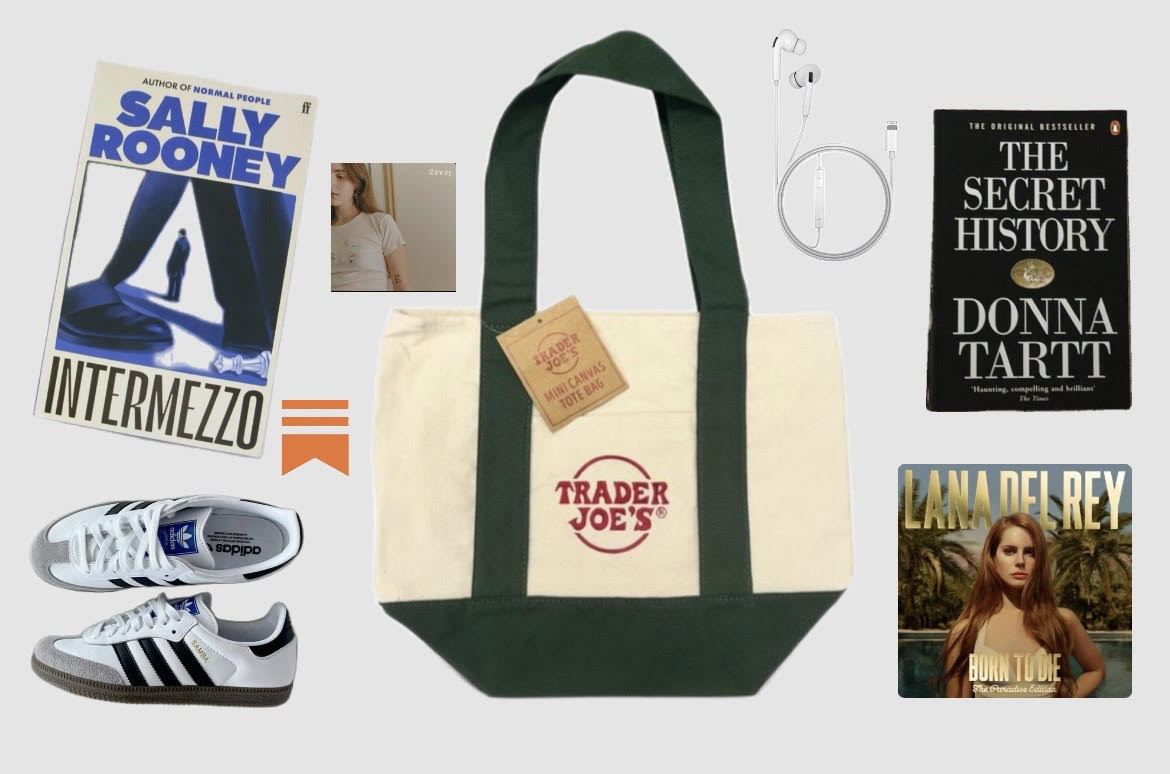
On Feb. 11 2026, Irish author Chloe Walsh announced the upcoming TV-series adaptation of her bestselling Boys of Tommen book series via a collaborative Instagram post with Prime Video UK. Regardless of her claiming she “could hear the screeching around the world” in the caption, she was quickly met by backlash from a fandom that felt betrayed by the unexpected news, causing questions to be raised regarding a subject that is more than sore – book-to-movie adaptations.
Page-to-screen adaptations, or sometimes called “movie novelizations” have been around since the birth of film. With early filmmakers desiring reliable material to go off of, some of the earliest films ended up being novelizations, but their production has only recently grown more frequent presumably due to them being in high-demand. The process of one’s beloved book coming to life is expected to be thrilling, but recently such announcements only bring dread from devoted readers.
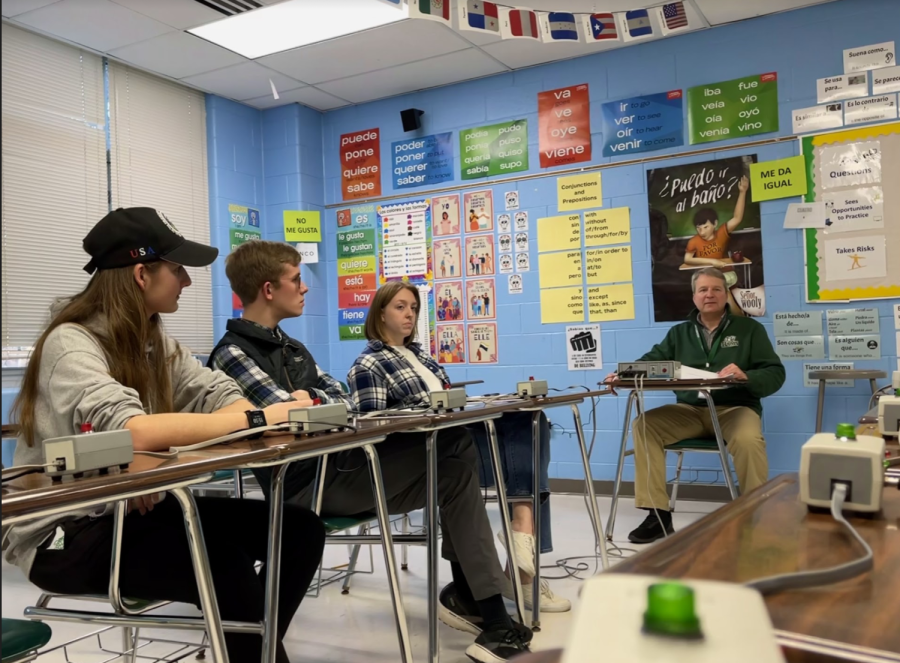
“I think [that] adaptations are to be expected. I think they’re an art form in and of themselves”, said Ms. Elizabeth Ryan, an English teacher and sponsor of SAGE and Mixtape at Grayslake Central, but she believes that it’s best to always go into it with the expectation that “it’s not going to be [exactly] like the book” and things will end up getting cut out in the end. When going through the process of adaptation, there are many constraints filmmakers work around such as the alleged two-hour time constraint, which can be responsible for why certain details or sub-plots are cut in the end.
Yet positive demand on this topic seems to be inconsistent. In a survey done by SuperSummary among 2,030 people in 2023, 82% of those surveyed ended up agreeing that “screen adaptations help books come to life” but at the same time 71% of those previously surveyed raised a conflicting argument that adaptations either “would never be as good as the book” or “completely ruined the original book,” placing further emphasis on the lack of middle ground. Many reasoned their dislike was caused by page-to-screen adaptations being “too different from the book” or “lacking certain details” that were important to their individual perception of the story and that being cut led to disappointment.
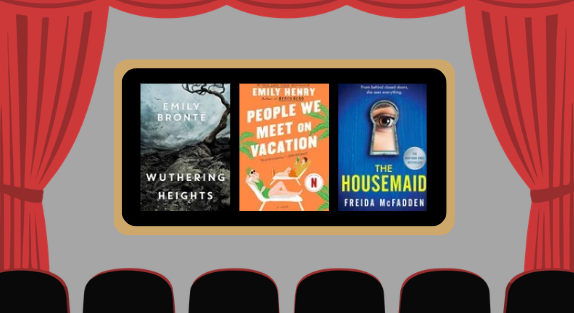
Thriller author Freida McFadden, whose novel The Housemaid was adapted for film by Paul Feig and Rebecca Sonnenshine in 2025, wrote for Bookpage in Oct. 2025 of a theory she had regarding the topic. McFadden believes that “if you want to see a movie based on a book, you must watch the movie first” because then you have no reason to be disappointed. But she has one exception, that being for action-filled texts such as The Hunger Games and Jurassic Park, because there’s “a thrill in watching them come alive.” McFadden’s take is rather surprising in a world where authors, like Rick Riordan with his Percy Jackson novel’s movie adaptations, often end up distancing themselves from their adaptations.
Book adaptations are unique due to the act of placing creative reins in the hands of another. The person who ends up with them could be someone who’s never read the material or someone who has loyally reread it more times than they can actually count. That broad spectrum, which may not exactly be preferred by readers, is what allows for adaptations to come out uniquely because whoever’s in control is painting a unique picture of the story from their perspective. While that may not be preferred or even accepted, it serves as a constant reminder that fiction is complex, enough so to be perceived by an unlimited amount of differing perspectives, and that what makes a book special is your own. Which, is why readers have a tendency of being extremely upset by adaptations; not because they don’t want to see the story come to life or that they don’t want success for the author, but because they don’t want it to ruin their own version.