


![“[I love to photograph volleyball] because I play it myself and I like how fast-paced it is. It’s very action based," said Tanner Hering.](https://rampage.d127.org/wp-content/uploads/2026/05/Screenshot-2026-05-13-212955.png)


















In recent headlines, people online have been seeing artificially generated images of Israel’s Prime Minister Benjamin Netanyahu as deceased. Many debated whether these images were real, and if the videos that came of Netanyahu the following days were A.I. generated as well. This situation stirred up endless confusion and brings up a problem that has been prominent in modern day news: How do we know what news is real, and how can people get the actual facts of a situation?
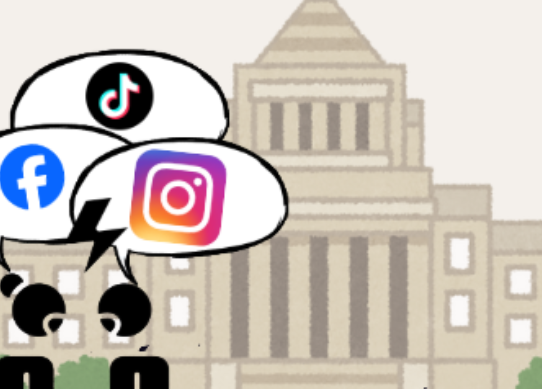
There are many sources for people to get their information on current events. This can be from reading the local newspaper, like The Daily Herald, or even bigger news organizations like The Associated Press. But in the modern age, people can get caught up in headlines in other ways. Phones are able to provide people with multiple outlets to get information, and make it more accessible than the traditional print newspaper. Along with this, social media has brought up a new way for people to see what is happening locally, and across the globe. Although we have new ways of getting news, this brings up an issue. How do we know what we are seeing, and reading is real?
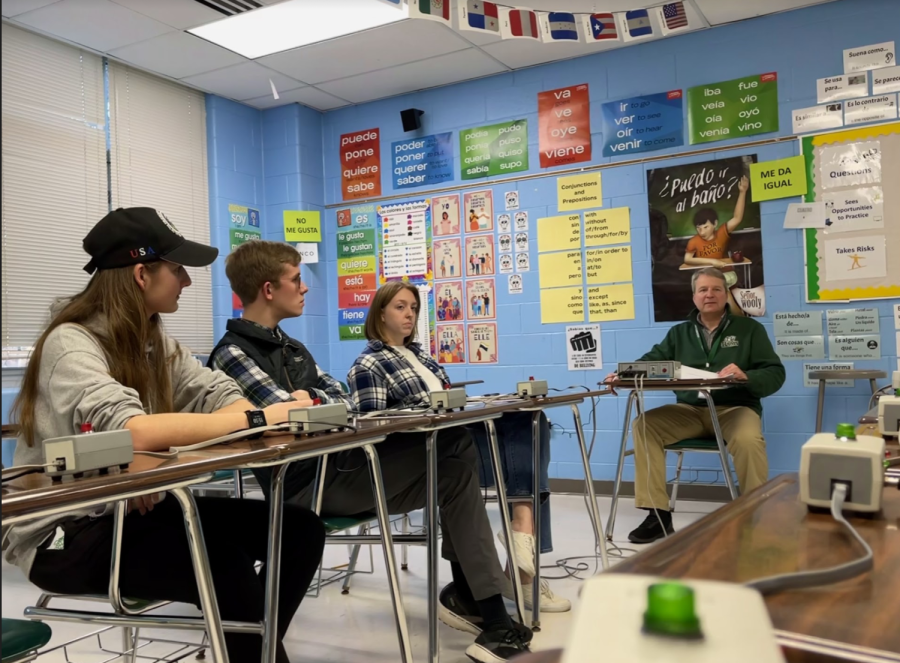
The skill of checking sources starts in the classroom. Starting in May 2021, Illinois signed into law the “Illinois Media Literacy Crosswalk of Academic Standards”. According to Illinois Media Literacy Correlation, in the “Beginning with the 2022-2023 school year, every public high school shall include in its curriculum a unit of instruction on media literacy.” This translates into what English teacher Mackenzie Stephens teaches in her junior classes.
One of the subjects she teaches in the school year is lateral reading. Lateral reading is a skill that students learn, and it teaches them how to double check what source they are using, and how reliable it is. When asked about how the school brings lateral reading into the classroom and curriculum, Stephens said, “What we do is we teach students skills for analyzing persuasive strategies within arguments that are being made…it starts to help students develop skills of how is this person attempting to persuade me, what kind of strategies are they using to achieve the purpose they have.” Lateral reading isn’t the only skill someone can use when trying to get factual information.
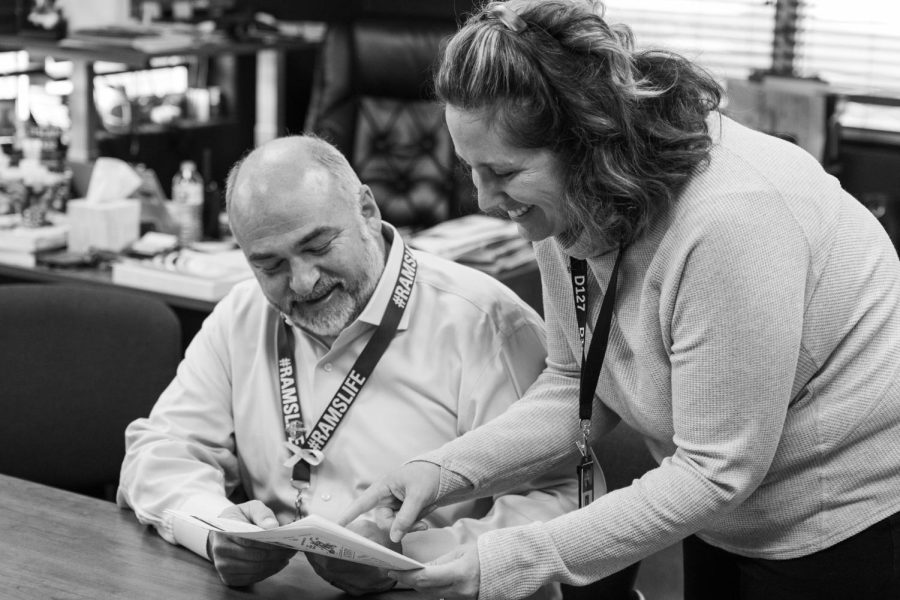
Steve Reitman is a Current Issues teacher at Grayslake Central, along with being a government teacher. Reitman discussed his thoughts on how to get the news, and how to not get caught up in a deluge of news sources. Reitman said, “I think it’s important when you’re getting your news to get a balance of what you’re viewing because I think if you just focus on the side you like or you focus on, you won’t really get to hear the other side. So I think it’s important to hear both sides.” Along with this, when asked about how what he is reading and seeing is trustworthy, he said, “I still believe in the sources of the newspaper. I think a lot of the things you see online are very difficult to believe, and I would really caution people to not watch social media. I don’t think those are very reliable sources.”
There are many skills that can be learned in the classroom or in real life experience to combat the increased amounts of misinformation becoming more present in our daily lives. Having the skills to know whether a headline is true or not is crucial, and can be implemented easily. When discussing figuring out how a news source is false, and any tips he would advise for people, Reitman said, “If I’m hearing a citizen speak, what information do they have and what do they know? I like to talk to local leaders….I would encourage our high school students to talk to their local politicians about the issues that are going on, because that is their job everyday.”