



















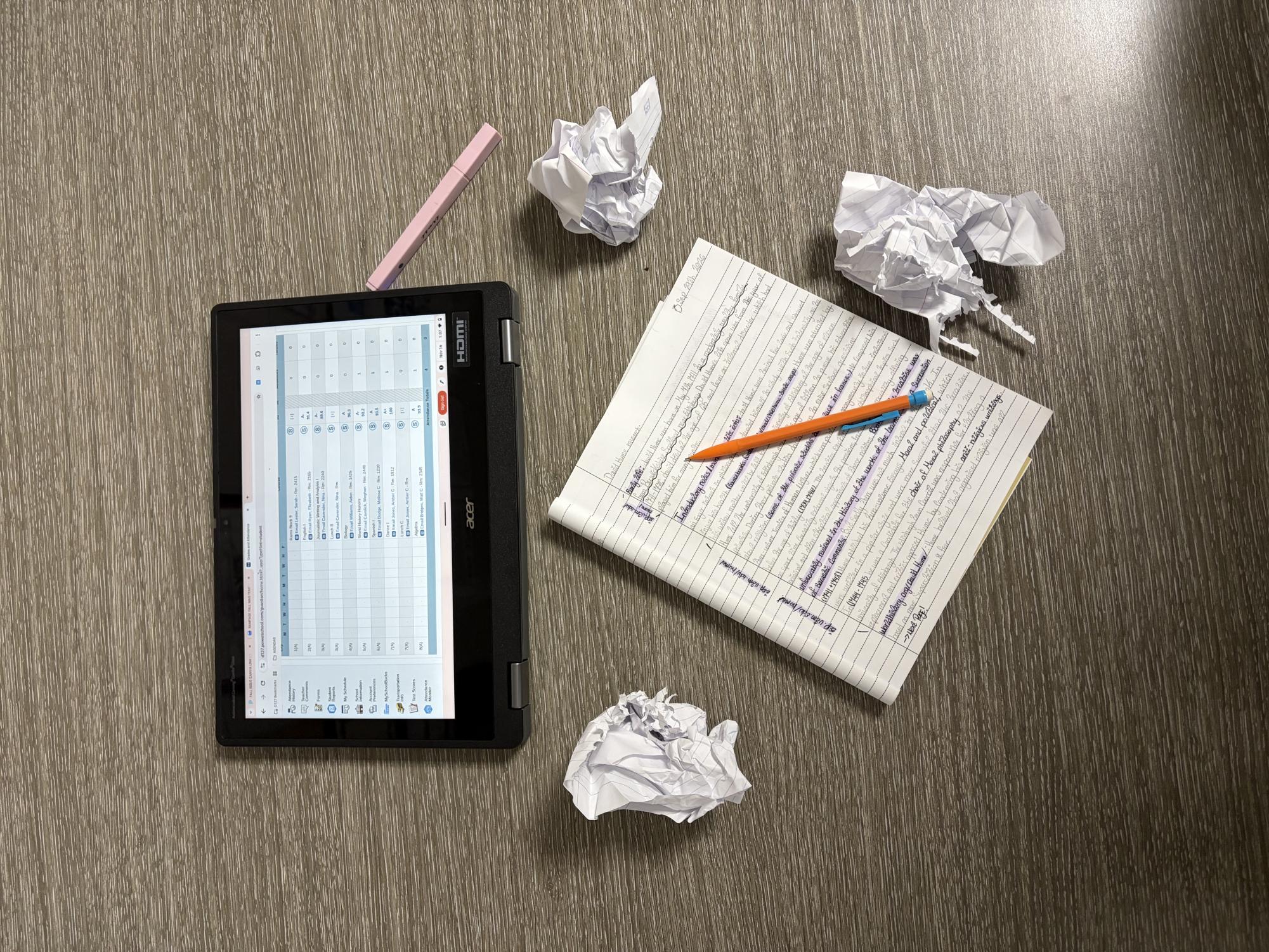
Grades, attendance, stress and the constant pressure to succeed can make it seem like the expectations placed on high school students never stop. Between maintaining high grades, preparing for college, meeting expectations from parents and teachers, balancing extracurricular activities, keeping up with friendships and managing responsibilities outside of school, students can quickly become overwhelmed. This can result in burnout, exhaustion and a loss of motivation. Teachers and students recognize how these patterns affect mental well-being, and classroom performance and attendance, leaving many teenagers feeling as if they are expected to do more without having enough time to focus on themselves.
.
According to Kate Oldenburg, Grayslake Central High School’s prevention and wellness coordinator, “the pressure to take the classes that you want, plus the level of classes your trying to strive to, balancing that with extracurricular activities, and you know people involved with things out of school, like work, caring for your siblings, and things with other organizations” can create an overwhelming burden, leaving students struggling to balance academics with outside obligations.
Academic struggles are often compounded by external challenges and peer comparison. When asked why students fall behind, Oldenburg said, “Students have high expectations of themselves, pressure from their parents, comparing themselves to others, and just overall wanting to succeed.”
Colleen Spoden, a cafeteria monitor at Grayslake Central, observes these academic and mental health struggles daily while supervising students during lunch periods. Spoden said, “I have a seen a lot of outbursts from students, or just the complete opposite, like shutting down and even crying, not being themselves.” 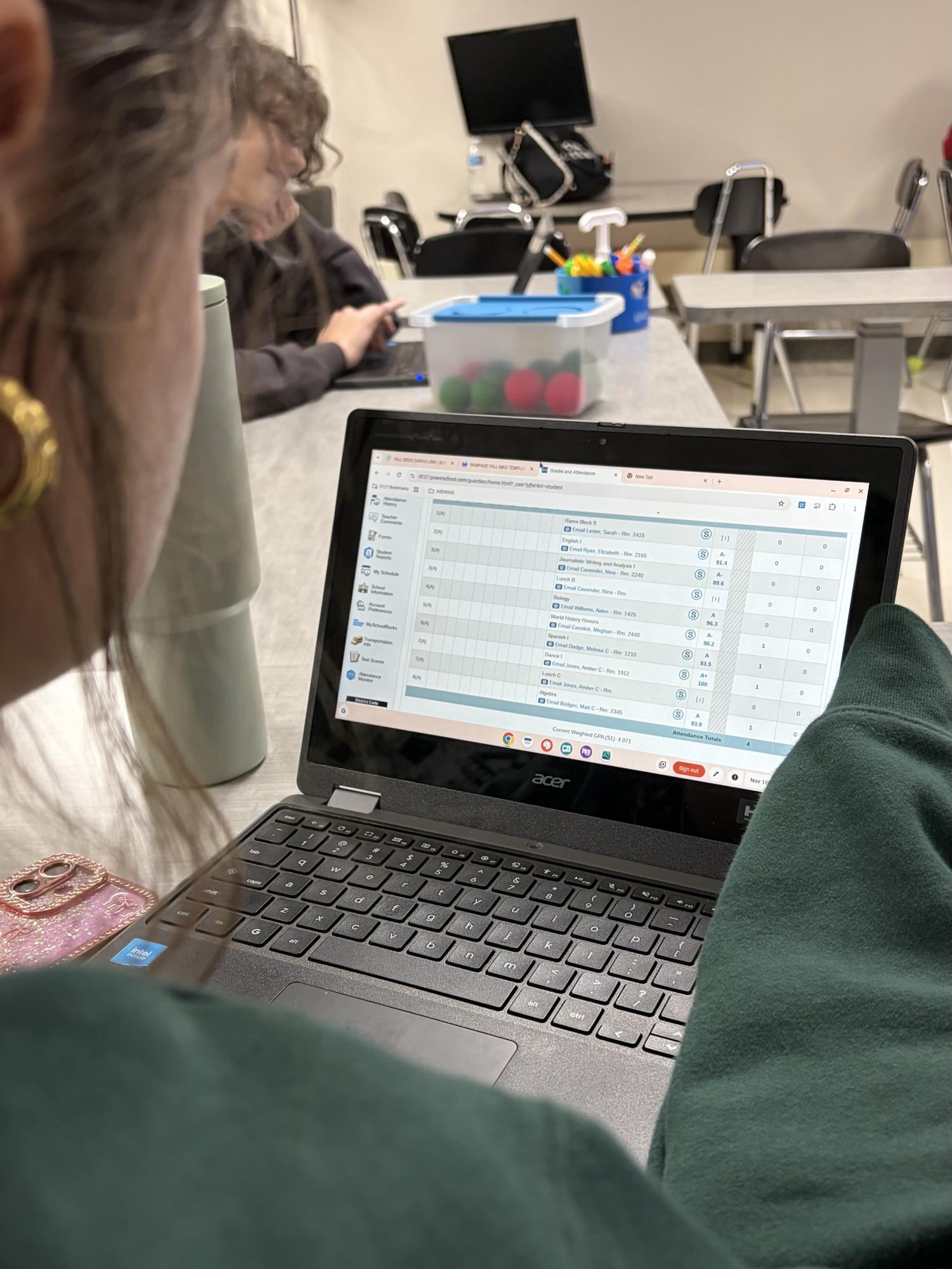
Beyond the classroom, a student’s home environment plays a major role in how they handle stress. While some students benefit from a strong support system, others face significant obstacles at home, including part-time jobs, caring for siblings or lacking a quiet, supportive space to study. Junior Amany Ahumada said, “Whenever I come home from school, my parents nag me, and ask me tons of questions about my schoolwork. It gets to the point where sometimes I just go in my bedroom and don’t talk to anybody.”
Constant questions and reminders about grades can make students feel like they are never doing enough, adding to the pressure they already experience throughout the school day. As students progress through high school, the demand to succeed becomes increasingly difficult to manage alongside growing academic and personal responsibilities.