











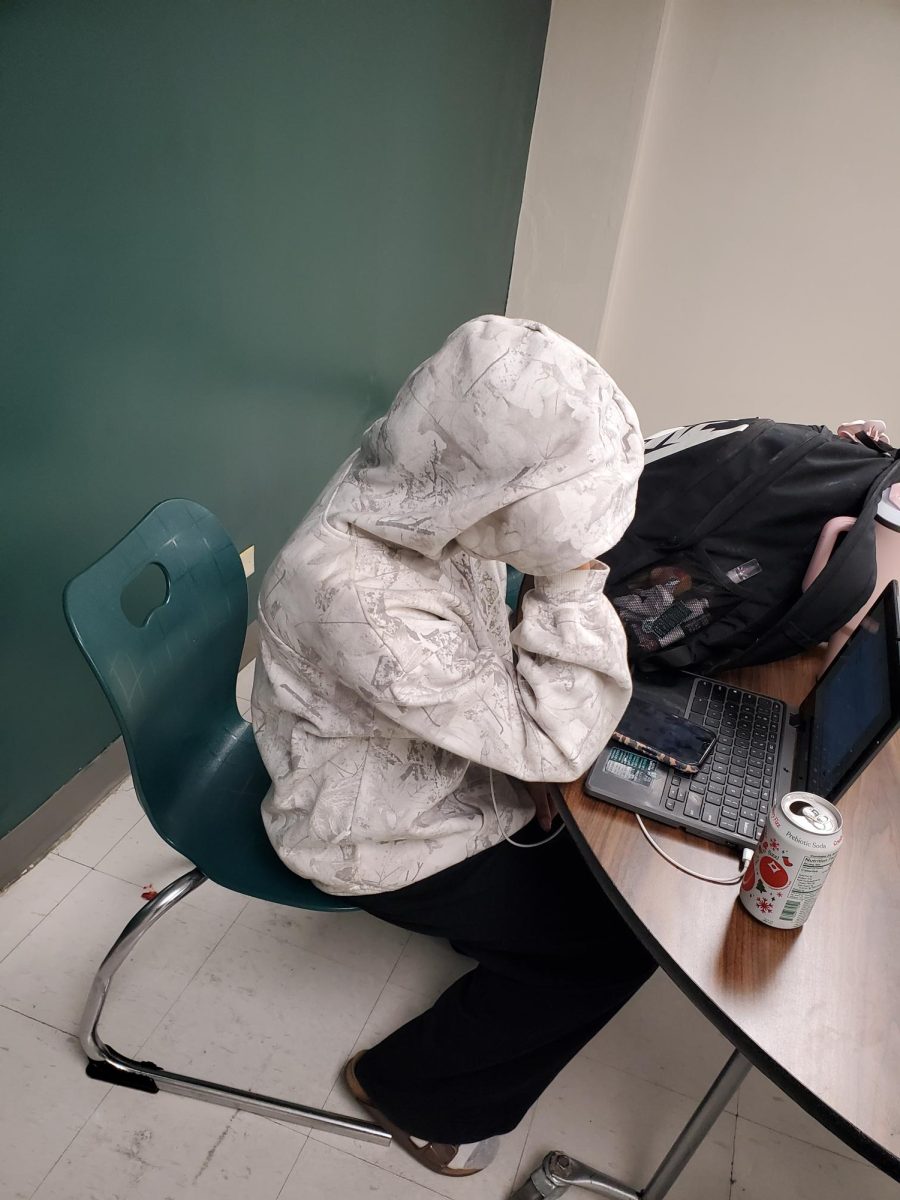



The word nonchalant can mean different things to different people, and even affect people differently. To high school
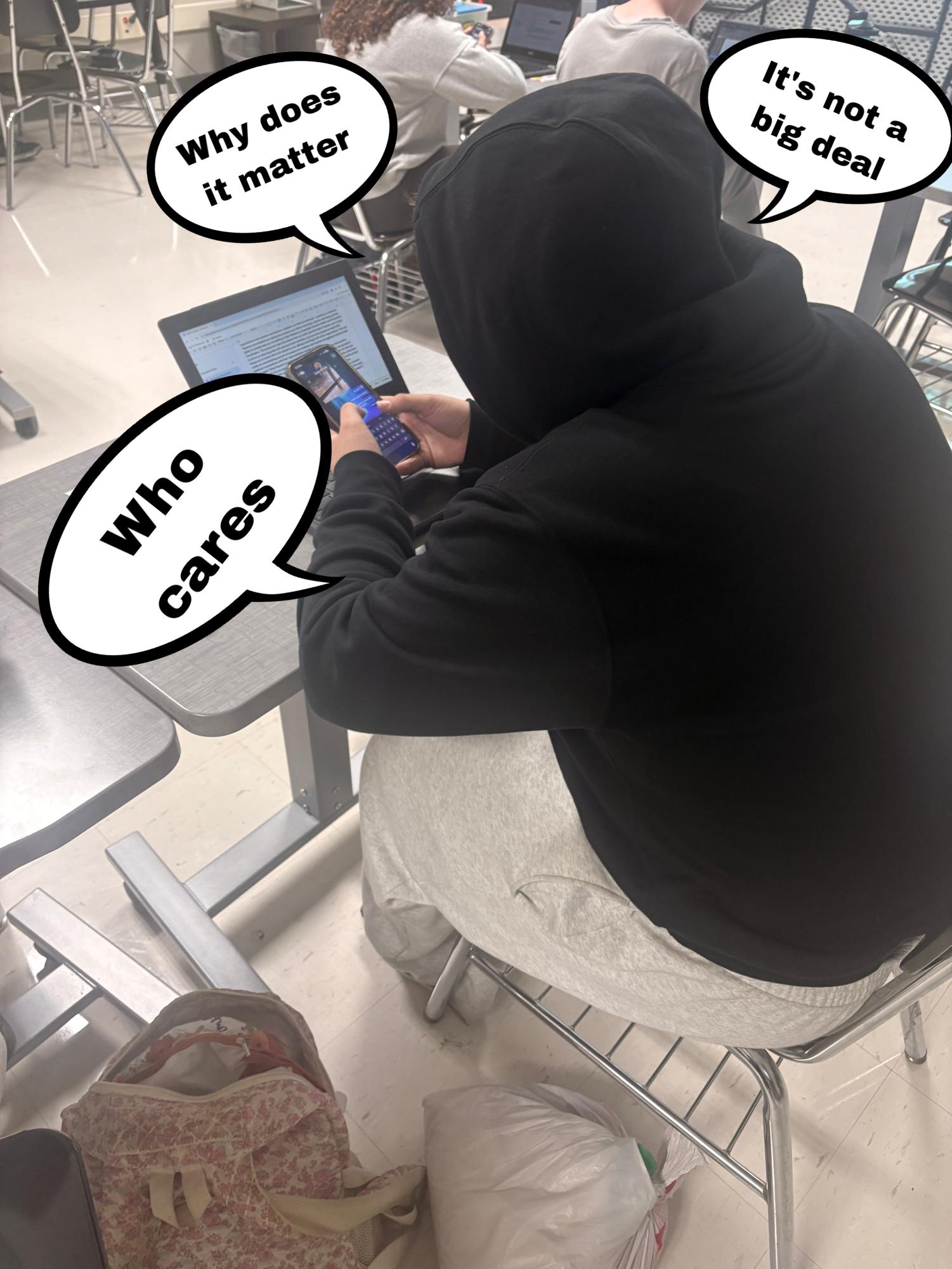
students, the word means suppressing emotions and to carry around and equip an “I don’t care” attitude to oneself. Since the rise of social media, there has been a growth of nonchalance, which is also known as the “nonchalant epidemic”
According to Dictionary.com, the word ‘nonchalant’ means “casually unconcerned or indifferent; uninvolved.” But to students, the definition can be somewhat different. Central freshman Gianna Ramirez said she would define it as “quiet or trying to act cool.” Another freshman student, Kaylee Hill, said she defines it as “not very talkative, or mysterious.” Junior student Matthew Drakely said he defines a nonchalant person as “someone who has a straight face and doesn’t care.” A common theme amongst the Central student body was that they describe the word as someone who is quiet or not talkative.
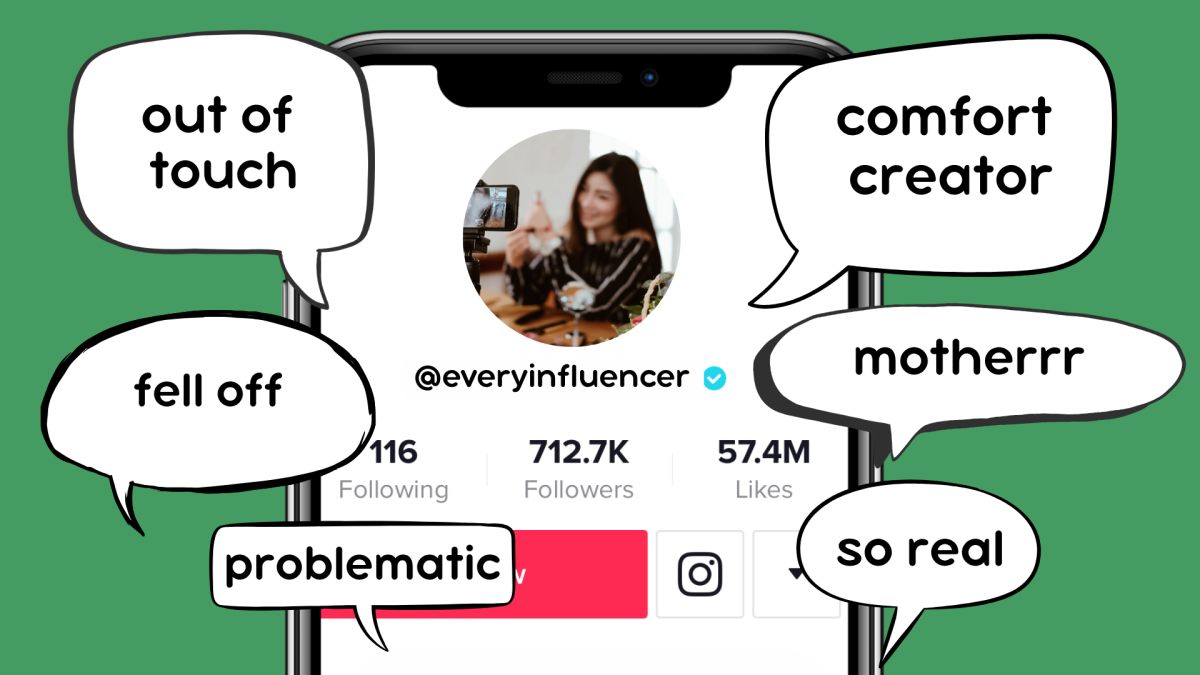
According to the Baltimore Therapy Group’s website, one of the main factors of the nonchalant epidemic is social media. Their website states “Social media platforms, in particular, have not only magnified the reach of nonchalance but have also contributed to a distortion of reality, where curated personas and performative detachment overshadow authentic emotional expression.” Social media amplifies and glorifies certain personalities and mindsets that can cause someone to take more emotional energy to come across a certain way to others, and can even ruin relationships and how you interact with the world around you.
Understanding that showing vulnerability and care isn’t weakness can help build
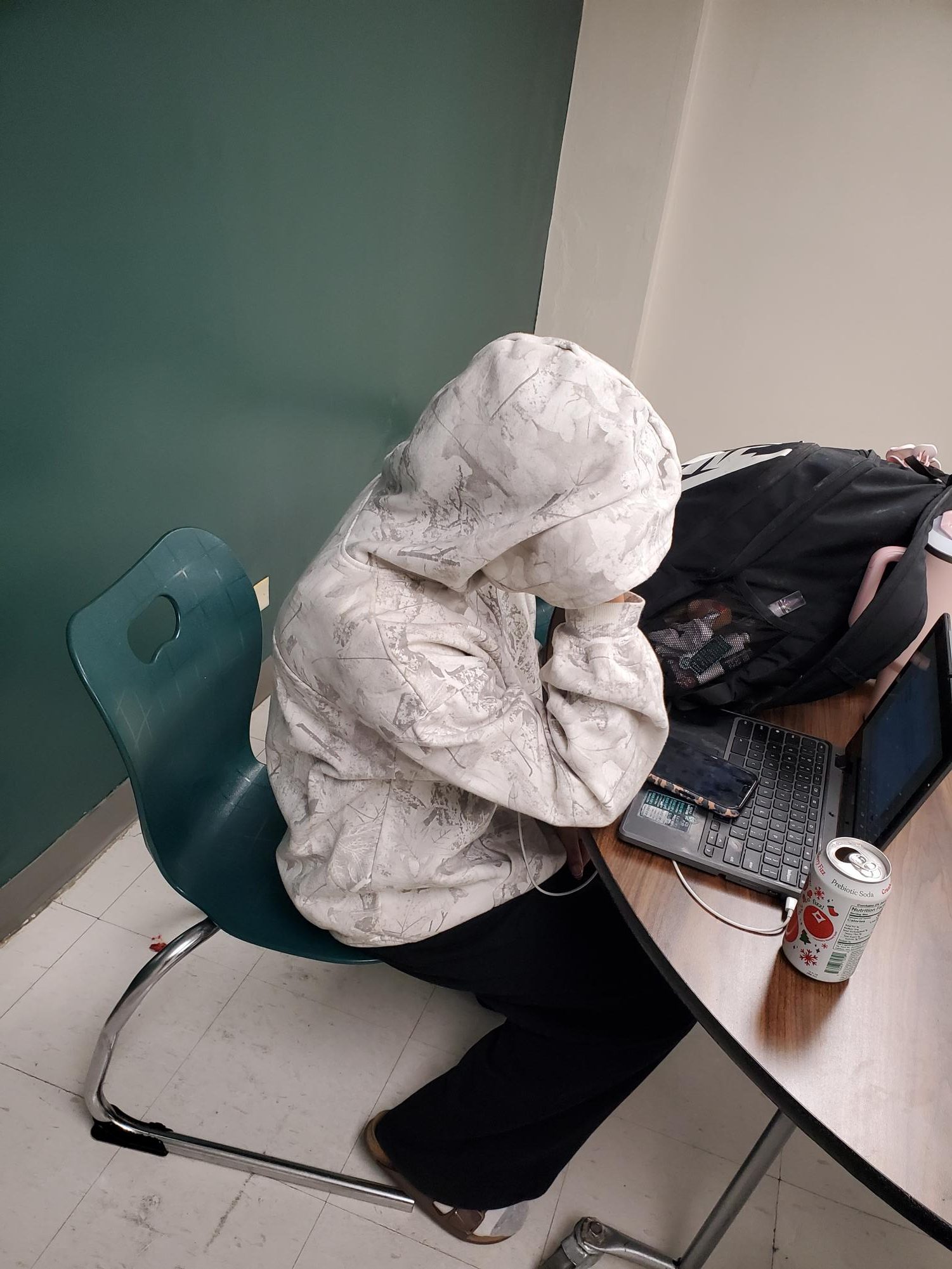
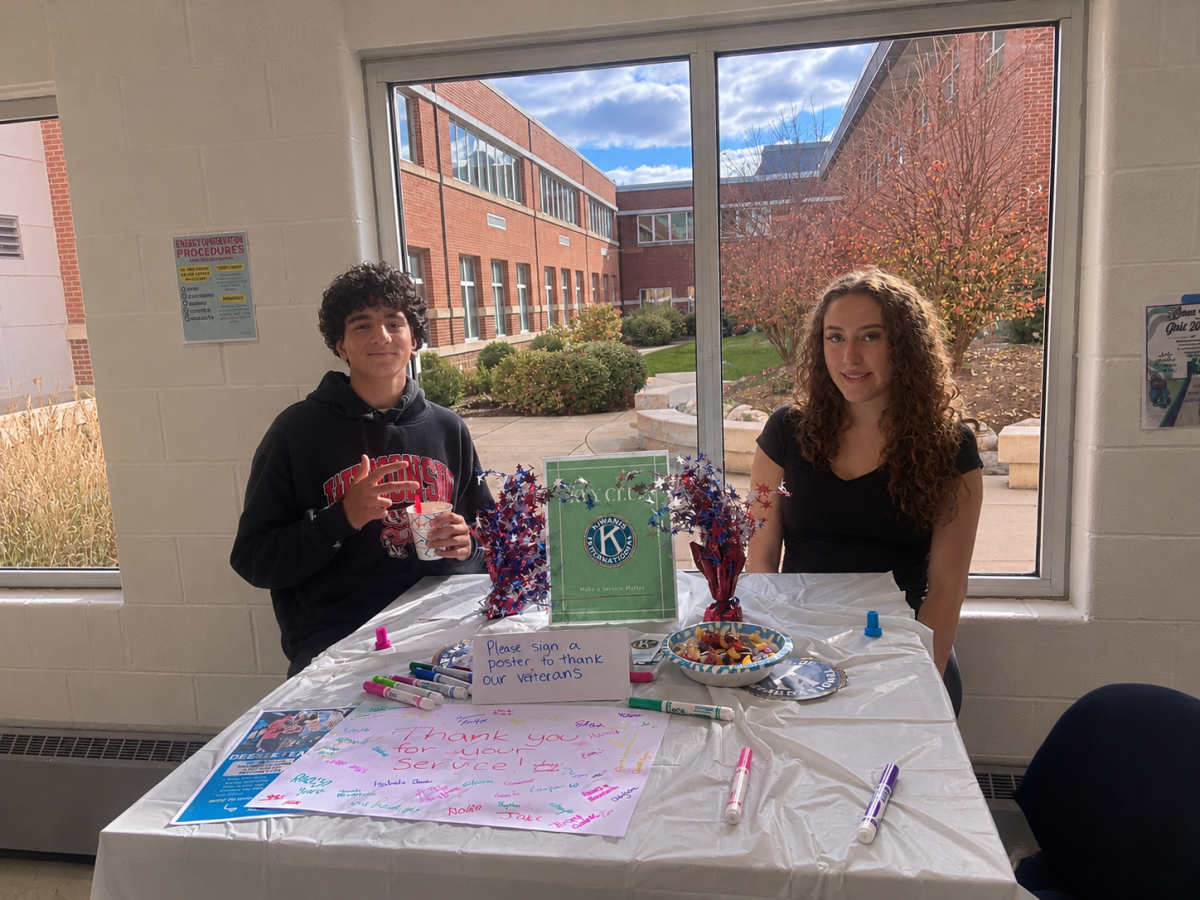
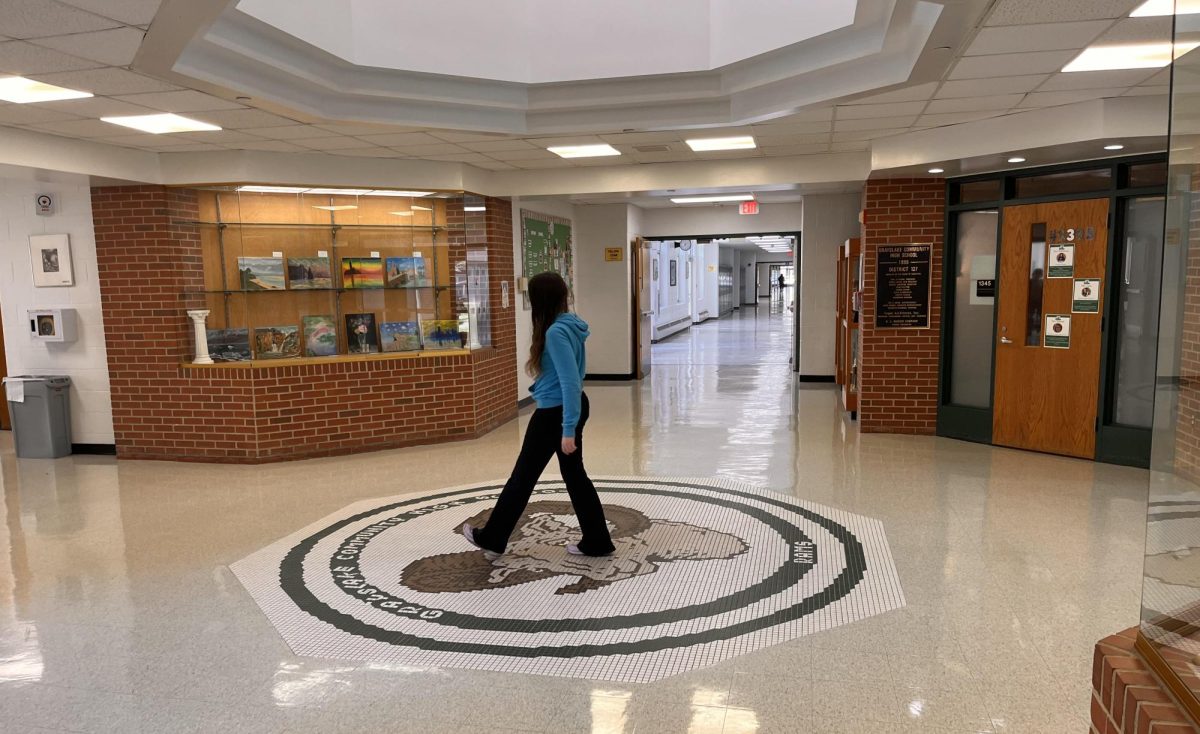
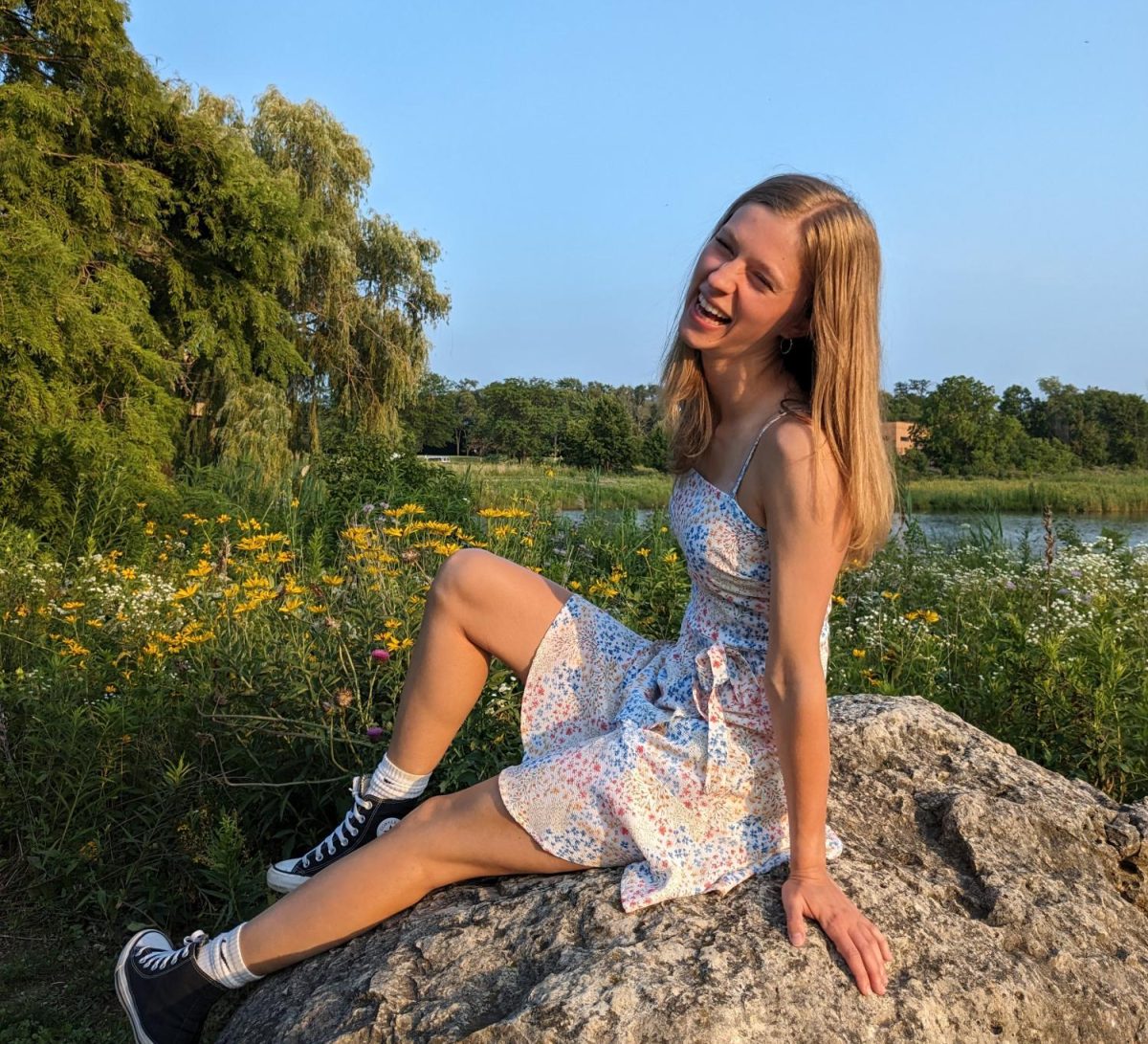
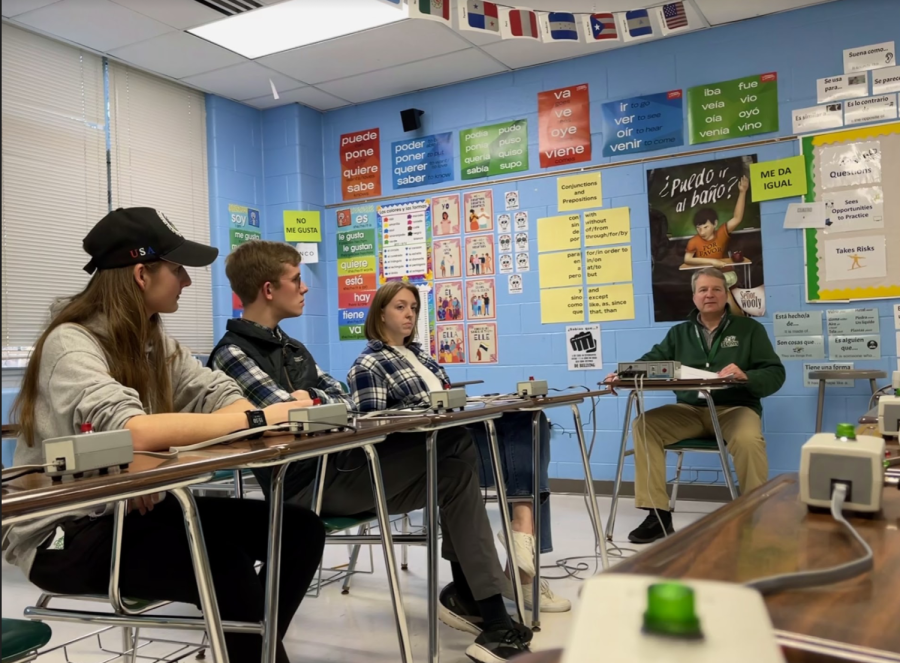
Photos by Kayvon Gandy and Sydney Hawn. (Sydney Hawn)
relationships and stronger bonds with others. This doesn’t mean telling everyone about yourself or your personal life, but gives them just enough to be comfortable and an insight on who you are. Showing personality can start with just small steps such as smiling at
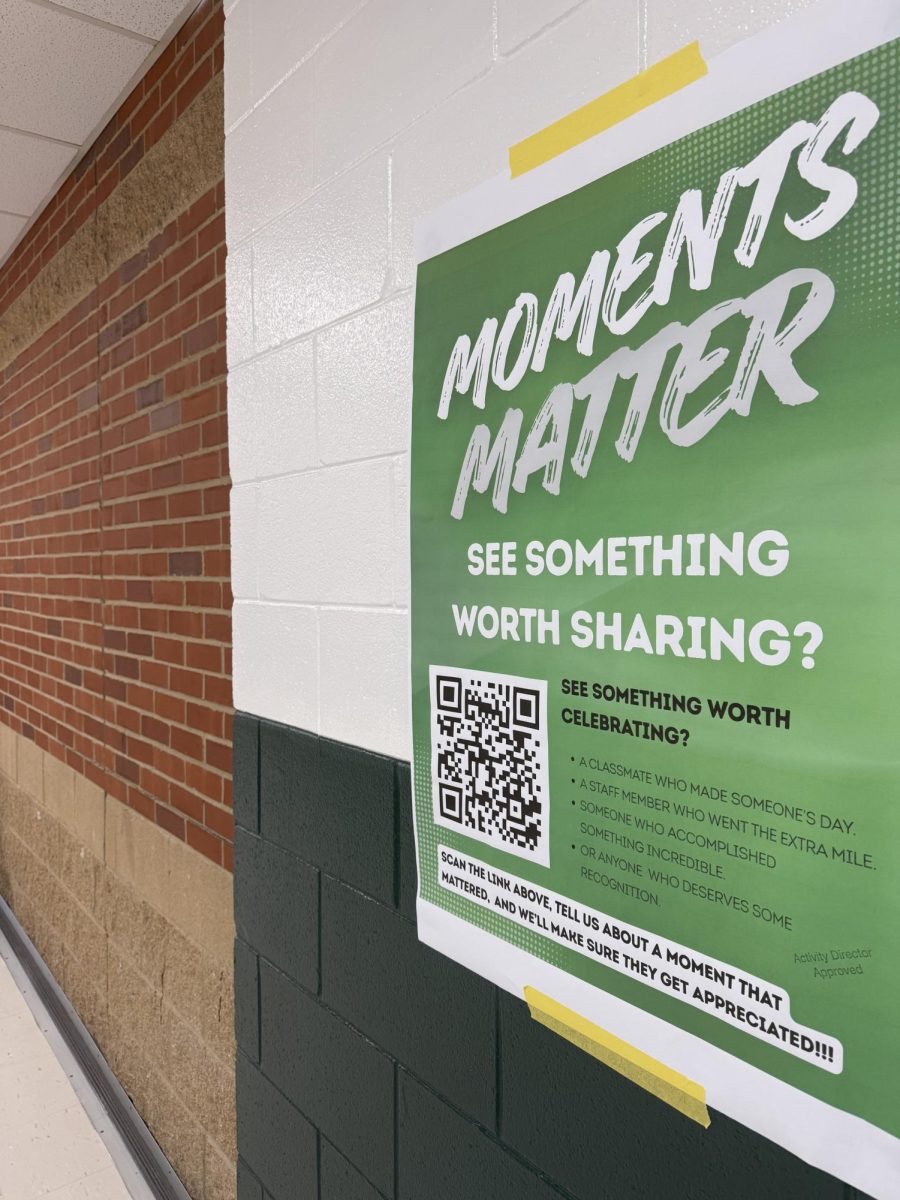
someone, complimenting someone’s style, or even helping someone out in small ways (see Moments Matter: A Push for Positivity at GCHS on page 5).
Nonchalance will continue growing amongst young people with the rise of social media. New trends can influence the way people think and express themselves. Baltimore Therapy Group’s website said “Ultimately, nonchalance leads to a loss of genuine emotion and identity, making it harder to experience the richness of life.”