































Each January, Americans pause to honor the life and legacy of Dr. Martin Luther King Jr., a civil rights leader whose work helped reshape the nation. While Martin Luther King Day was originally established to recognize his role in fighting racial injustice, the meaning of the holiday has continued to evolve, especially for younger generations.
Dr. King is best known for his leadership during the Civil Rights Movement of the 1950s and 1960s, advocating for equality through nonviolent protest. His efforts helped lead to major changes in American law, including the Civil Rights Act of 1964 and the Voting Rights Act of 1965. On November 2, 1983, Martin Luther King Day became a federal holiday, officially observed each year on the third Monday of January.
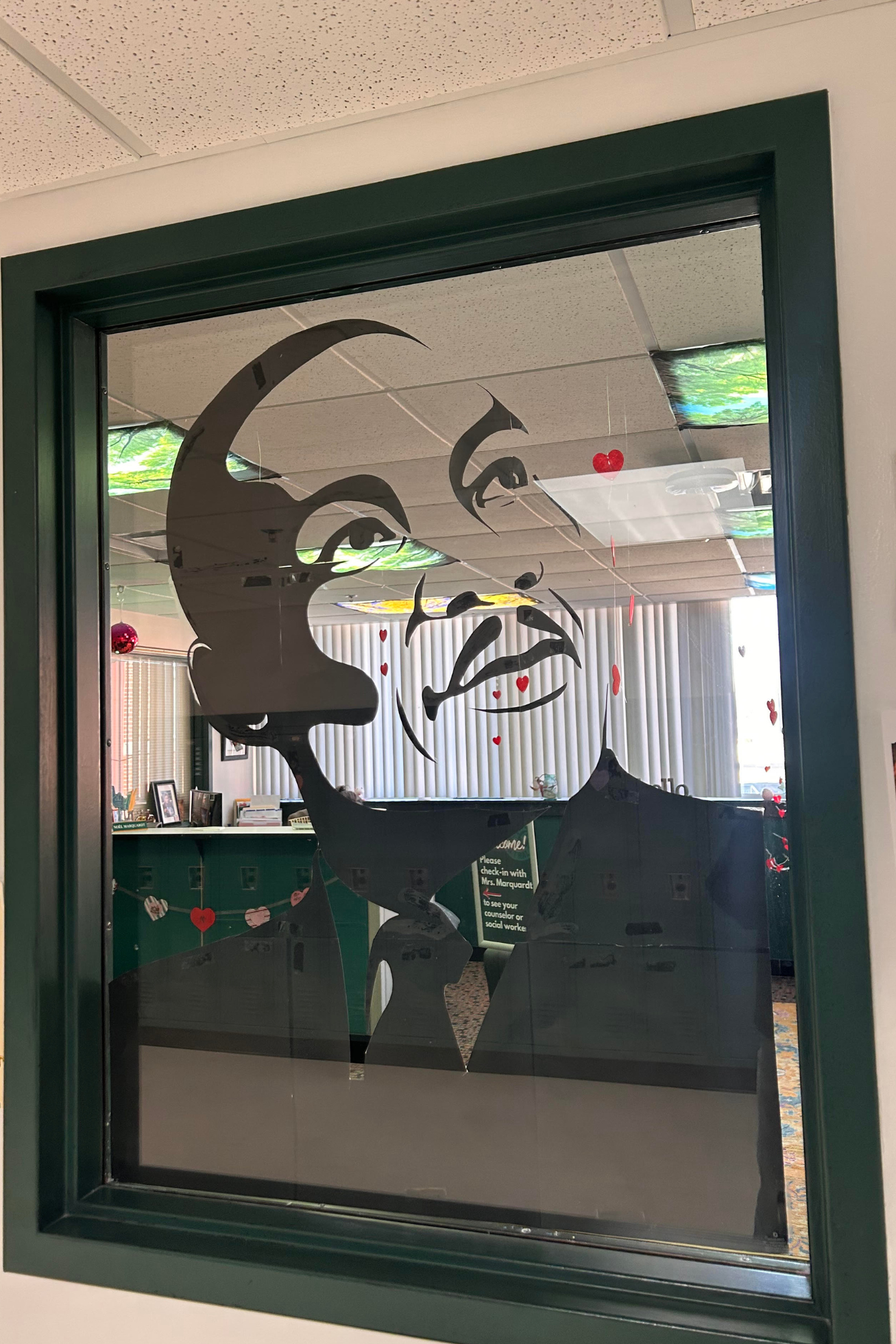
For many students and young people today, Martin Luther King Jr. and the holiday in honor of him may be something they learned about in school. Grayslake Central senior Oliver Miskow said he “used to know a sizable amount about him, but not anymore.” For others, it is a time for reflection, education, and action. Schools and organizations across the country now use the day to encourage conversations about race, equality, and social justice, topics that remain relevant decades after King’s death, and will remain relevant for centuries more.
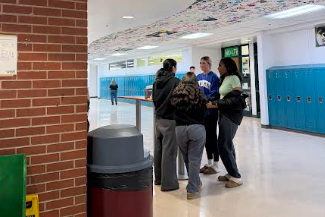
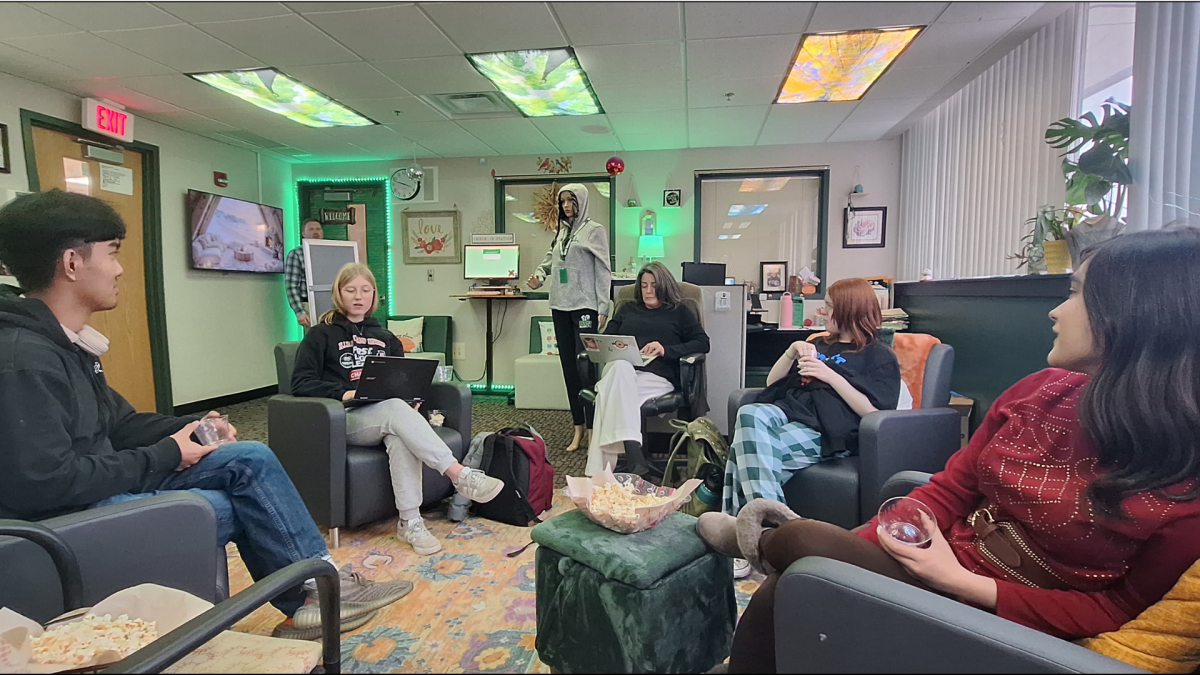
Martin Luther King Day is also widely recognized as a “Day of Service.” Rather than focusing only on remembrance, communities encourage volunteering as a way to honor his belief in helping others. A few weeks before Martin Luther King Jr. Day this year, Grayslake Central hosted their own “Days of Service” on Jan. 7 and 8, with students across campus working on projects to serve the broader community. A Grayslake Central senior who wished to remain anonymous for this story said that they “make it a point to help someone on MLK Day to honor his memory.”
While traditions surrounding Martin Luther King Day may change over time, its core message remains the same: justice and service to others. Honoring Dr. King’s legacy means not only his words, but applying his values to the challenges society faces in recent and future years.