
















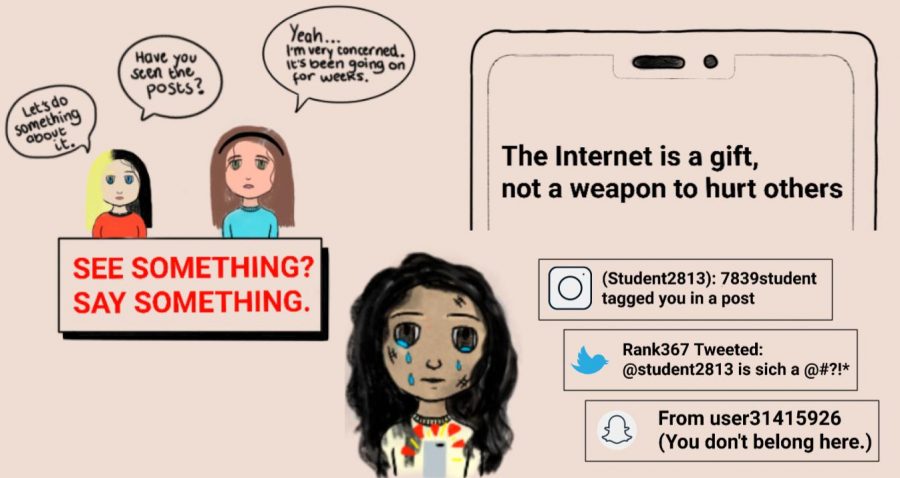

The impact that social media has on our lives is undeniable. Walk through the hallways during the passing period and you’re bound to see a fellow student scrolling away on their phone, even when they’re surrounded by friends. Most can agree that social media, when used correctly, can be a great way to connect with friends and other types of people. However, it is also unwise to say that social media is some sort of online utopia where everyone gets along and treats each other fairly; this is far from the truth. One aspect of social media that perpetuates cyberbullying is the anonymity that it provides.
People make anonymous accounts for various reasons, and not all those reasons are bad; some people simply want a second account where they can explore different types of content and post different things in a more organized fashion. The fact is, anyone can make a purely anonymous account that has no ties to themselves whatsoever. They can take on any persona they want without fear of recognition or consequence for any harmful things they might say online.
Jim Plaza, a Social Studies teacher at Grayslake Central High School, said, “It gives a sense of power because no one knows who [you are]. I think it’s the same thing with social media. By being behind that screen, that screen is like your mask, so that anonymity gives people a feeling of power and boldness that I think they don’t have otherwise.” Along with this, Mr. Plaza described how easily students can consume misinformation about world events or their own health, and how anyone on social media can act like they are knowledgeable about a particular subject and act like they know what they are talking about.
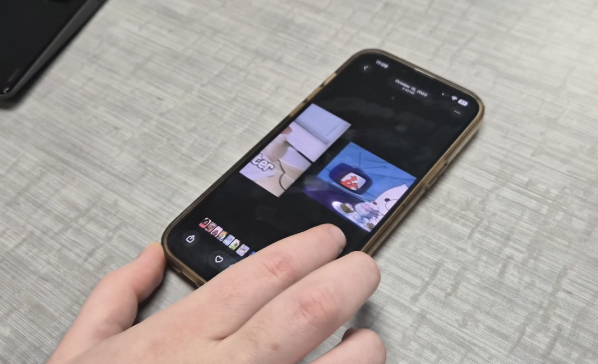
Social media can make offhand comments permanent. Ms. Mudloff, a co-sponsor of the Content Creator club at GCHS, said that while you might make an account with no ties to yourself, you can still be found through certain technical means. It is more important than ever to be cautious of what we say online in an age where schools and colleges will rescind admission offers based on an applicant’s social media history. What you say on social media, whether anonymous or public, matters.