


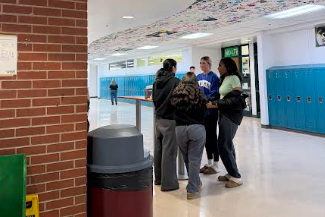
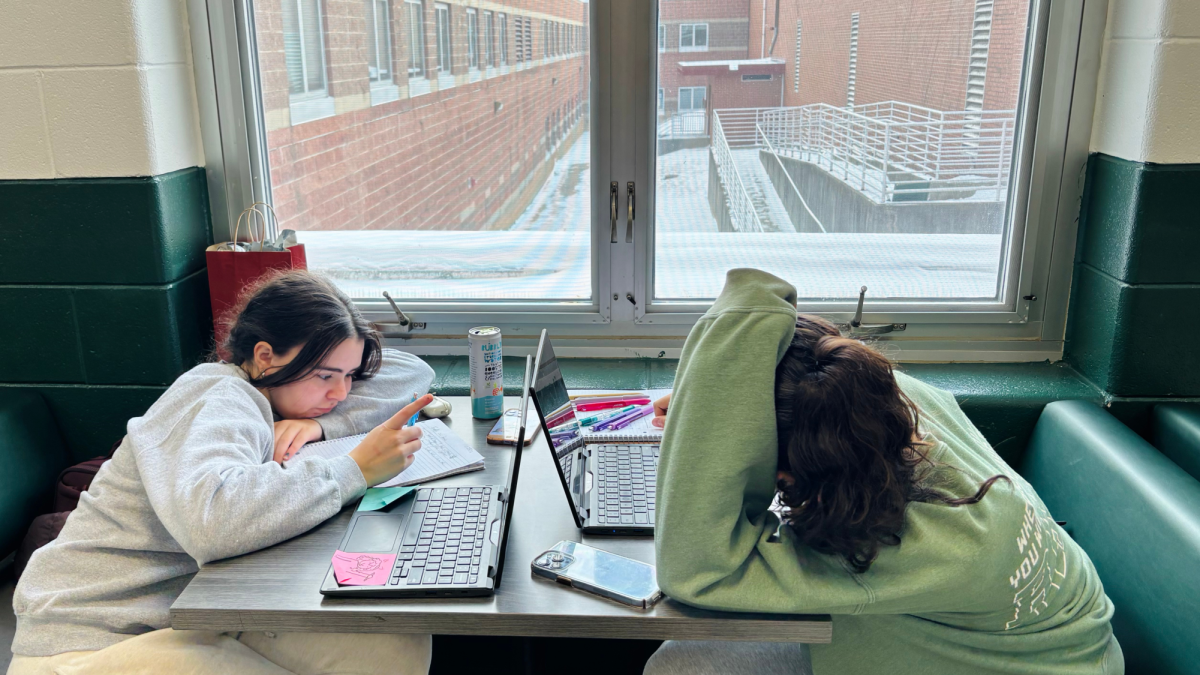





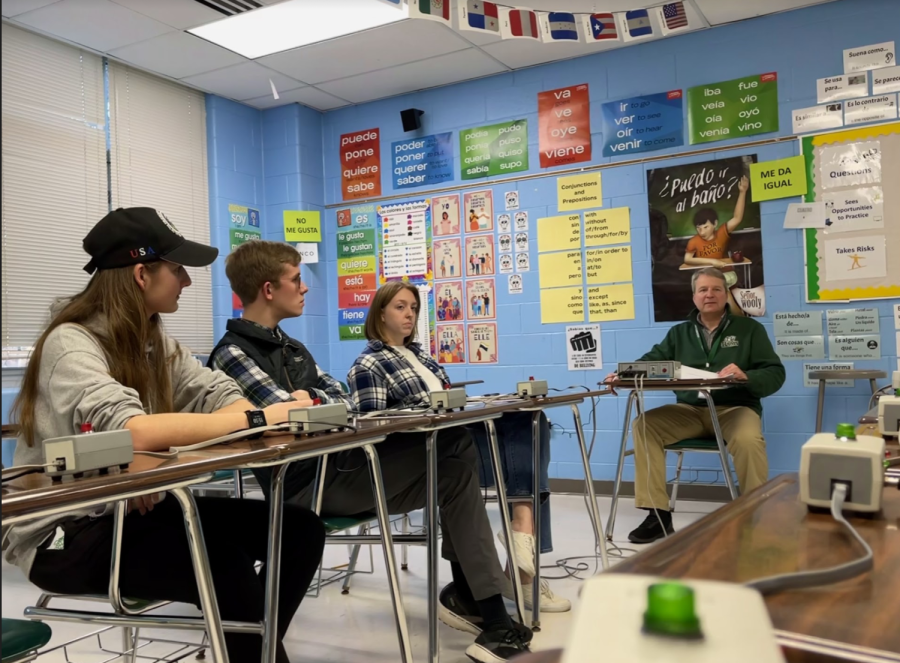
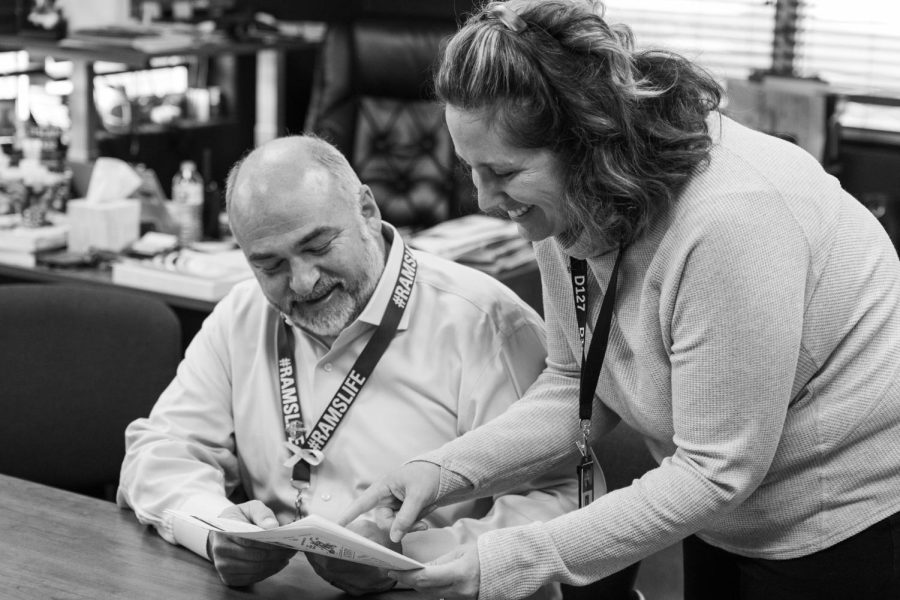











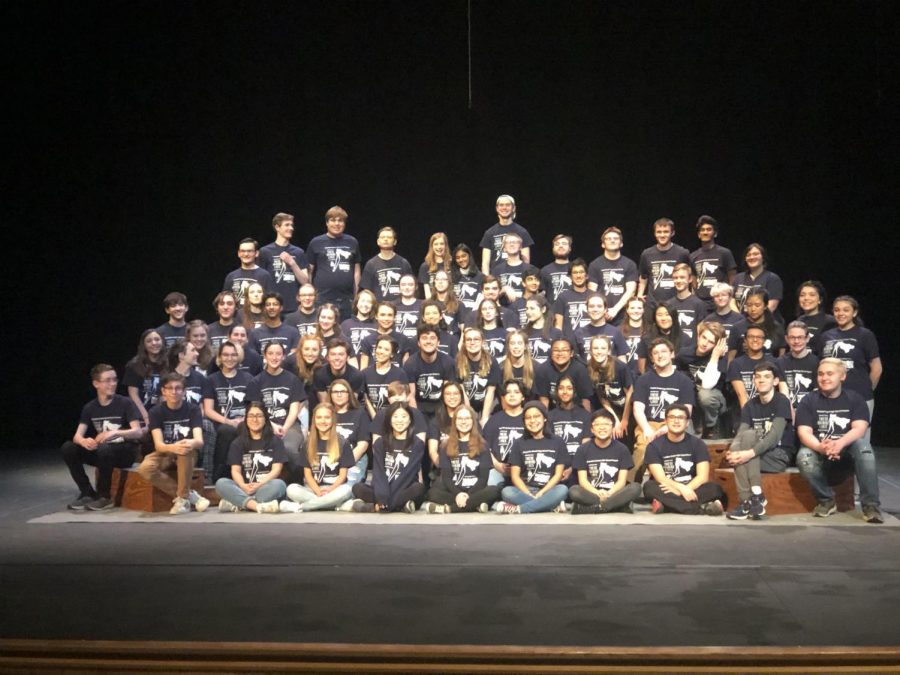



As the end of the year approaches, many seniors at Grayslake Central High School are busy applying to colleges, looking for jobs and planning their lives after graduation. For some students, the path is very clear. They plan to take a gap year, or they already know the college they want to attend, or they plan to enter the military. For some seniors at GCHS, the end of the year can be a slow going. Students are eager to move forward in their lives and discover who they are beyond GCHS. But if seniors are eager to get out of Grayslake, what does that mean for their teachers? How does a teacher teach when their students aren’t interested?
“[Seniors] kind of know where they’re going and what they want to do. So I think that tasks always have to feel worthwhile and worth their time,” said speech teacher Sarah Lester. “In the second semester of senior year especially, a lot of people have already been accepted to schools, so grades aren’t necessarily a motivator in the same way. So if a task doesn’t immediately feel worthwhile, then it can be difficult to maintain that motivation.”
Lester said that she believes some symptoms of the “senior slump” are students not finishing or not turning in smaller assignments, and also spotty attendance. Seniors get a few more days off than lower grades, due to graduation as well as not needing to take standardized testing in the spring. Everyone has heard of the “senior skip day,” but for some students, there are more skip days than not.
When asked about symptoms of the senior slump, English teacher Christopher Palmer said, “just not wanting to do anything. Engagement doesn’t necessarily change in a negative way, it’s just execution and following through. It’s like if your car is just about out of gas, and you just don’t really have the desire to pull off and fill it. That’s usually what I notice.”
For many teachers, education is a major passion. Teaching the next generation is a source of pride and joy, and the desire to help others learn is a major motivator. So what happens when students don’t match that energy?
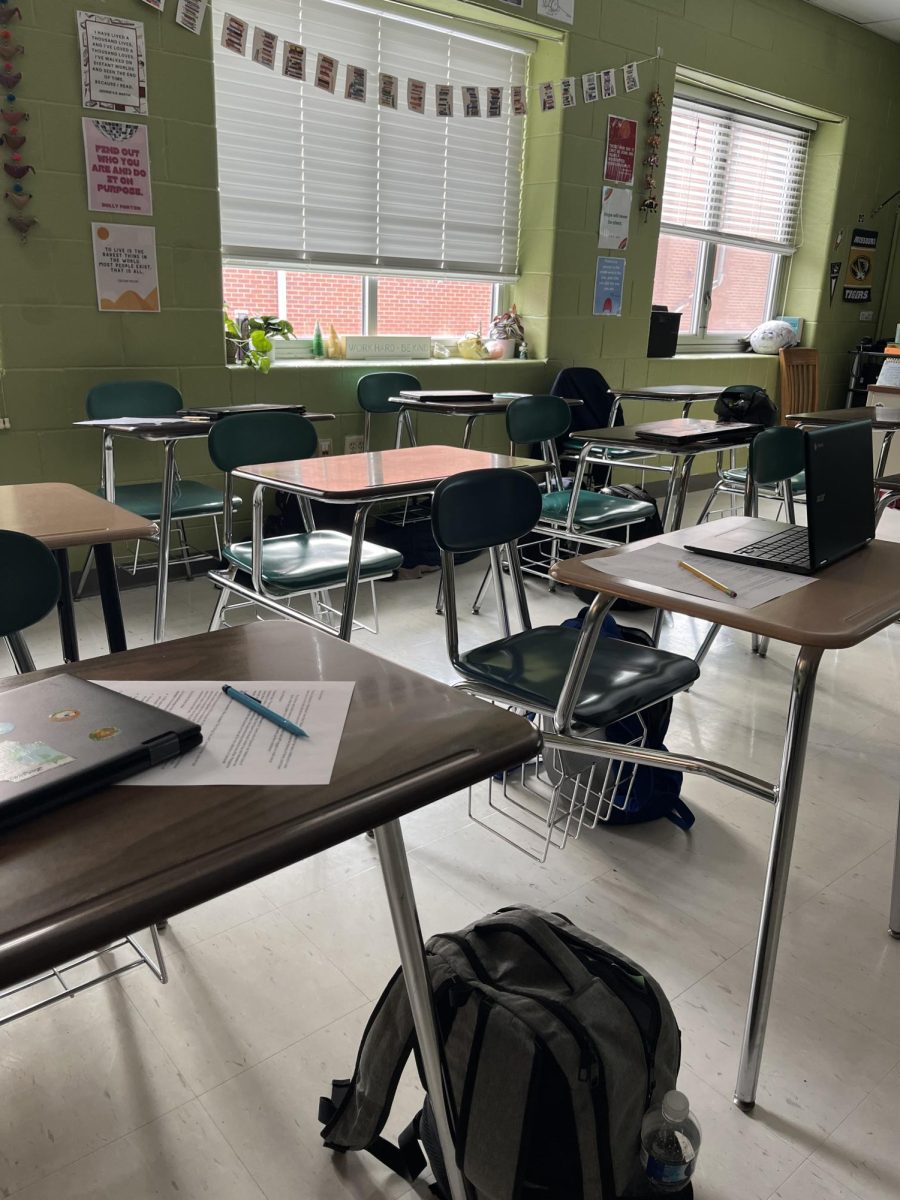
Palmer said “One of the hardest things about having a less active class is that you do have to change [lessons] sometimes. Every once in a while, I will get classes that just don’t want to engage, and what that becomes is that it gets really boring and generic. I think the hardest part is that these 90 minutes could be really engaging and interesting, or it could be really boring.”
“While I’m not saying that it’s all on the students, sometimes, as the instructor, it becomes really hard when you try to put everything out there and you don’t get stuff back, because some classes just don’t want to engage. We can’t force it, and it’s understandable, but it is kind of a bummer, because it does become a more difficult classroom,” Palmer said.