






When I saw “Wicked” in the movie theater for the first time, I was pleasantly surprised at how good the movie was from my very low expectations and limited tolerance for “girly” movies. The movie brought the classic story of the Wizard of Oz that we all know, and brought it out in a new and exciting way. With “Wicked: For Good” being released in November and the story finally wrapping up for now, I thought it would be a great time to go through the franchise’s history and many changes to get from the L. Frank Baum novel to the closing number “For Good” in the latest movie.
SPOILERS AHEAD!
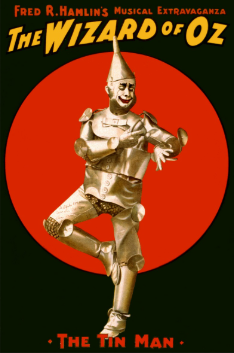
The original book by L. Frank Baum was published on May 17, 1900 and was originally titled The Wonderful Wizard of Oz and for the most part the book is the same from the original “The Wizard of Oz” movie besides some minor changes and one key concept about Baum’s intentions. Baum intended the book to be a political metaphor about the American populist movement and the debate over the gold standard. The book was an initial success, so much so that between 1902 and 1920, Baum wrote 13 more follow up books and made a musical for the original book in 1902. Sadly, Baum died in 1919 and his last book was published posthumously. Then in 1939 the movie “The Wizard of Oz” came out.
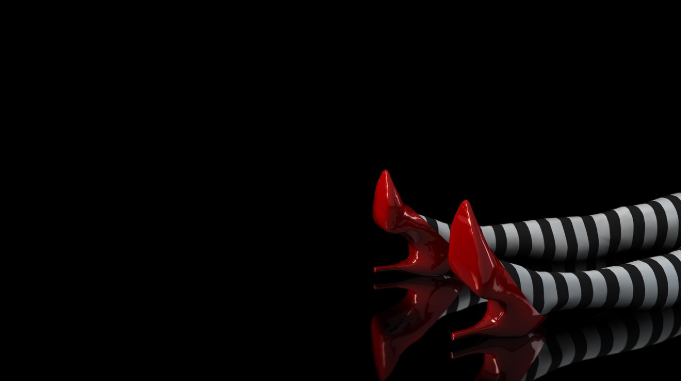
Picture from Prawny.
“Wicked” has had three adaptations based off of the movies. The much darker book version “Wicked: The Life and Times of the Wicked Witch of the West,” the musical “Wicked”, and the two part movie phenom within the past year of “Wicked” and “Wicked: For Good.” A lot of people tend to relate to Elphaba, the main character of the adaptations. GCHS junior Evelyn White said “I feel like Elphaba’s perspective is really relatable, feeling like you don’t fit in and not quite being able to find your place.” The movie and musical have many similarities and a few differences while the original book is much darker and more deep and nothing like what the average modern Wicked movie fan would expect. For example, include that Bok is kind of just a normal man and never turns into the tin man. Another example is in the book instead of Fiyero and Elphaba singing as long as you’re mine and Fiyero turning into a scarecrow, in the book Fiyero cheats on his wife who he has kids with already for Elphaba and gets murdered and not revived as the scarecrow.
There are also differences between the musical and movie too. Ms. Maureen Ritter, Grayslake Central’s Yearbook teacher and CPGI coach, was asked about her favorite part of the movie. “I think that it’s really interesting that they have chosen to add songs to the second one. I think that’s really kind of fascinating because most people are so familiar with the story from the stage show I think people probably have divided opinions on adding songs but I think is a really interesting way to set it apart from the stage play.” When I asked Ms. Lauren Tracy, English and Theater teacher, about the changes between the musical and movie she said “I think they did a good job with that of not making it seem too different or leaving out things that maybe I thought were like they had everything that was essential there, I actually think the movie did a good job adding on and like elongating some scenes, adding more dialogue.”
The Wizard of Oz has come a long way over the years and with that has come with many changes. If L. Frank Baum saw the new Wicked movies he would be proud of what he has started and how his work has been passed down for generations and for hopefully for future generations to come.