





























We all have been victims of scrolling for hours on our devices, watching videos, and reading the news. But what if I told you that everyone is falling victim to the algorithms game to make you stay on your electronic devices longer?
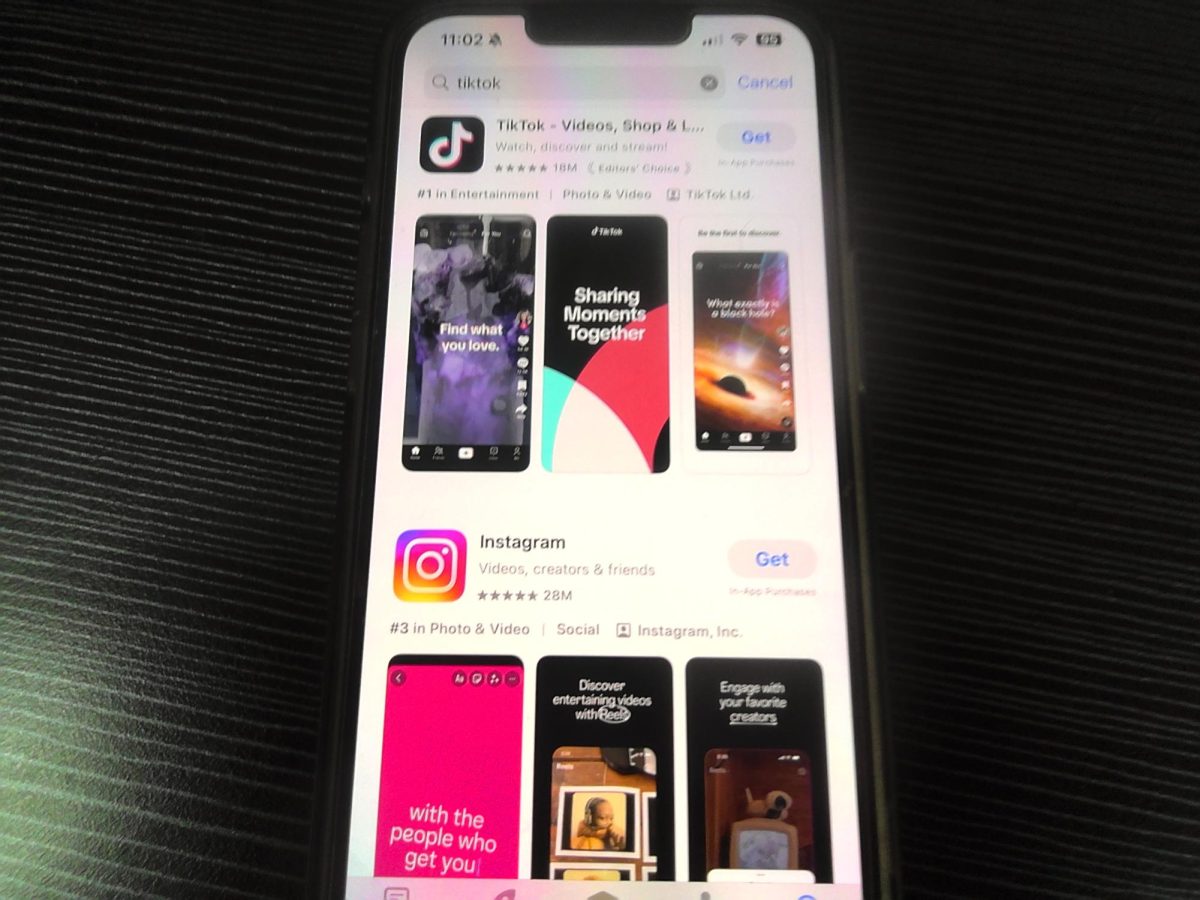
In everyone’s electronics, we have an algorithm that tracks what we see, say, and watch to get data to hook you to your screen. Statista, a “German online platform that specializes in data gathering and visualization” said that “68.7 per cent of the world’s population” uses social media; therefore, most of us are affected by the algorithm. There are different types of algorithms: those on social media platforms, some are on computers themselves, some used by companies and organizations. The algorithms use data that directs you to content tailored to your personal preferences.
Clodagh O’Brien who wrote ‘How Do Social Media Algorithms Work?’ on Digital Marketing Institute Lyceum said “On Facebook, for example, there is an algorithm that directs pages and content to display in a certain order” and that “The purpose of an algorithm is to filter out irrelevant content… put[ting] your content at risk of being buried or hidden from feeds if it does not fit the criteria.” Up and coming influencers are finding this challenging because if their content is not perfect. It never gets shown to the world, because social media will filter their content away from viewers.
Reddit user sleeptil3 explained how the algorithm thinks in human terms. They said, “FB algo logic went: hey, there’s a current event trending pretty heavily right now, I should show this to more people because it seems important. Who should I show it to? hmm… (accesses trove of FB historical user data)… sees that OP tends to read or watch current events every now and then. But can’t quite decide if it’s relevant enough to suggest. But then notices that OP once watched a video of super high surf waves and spent a few hours watching Japanese tsunami videos…bingo! SERVED.”
The algorithm tracks the trends you watch to send you what you should watch next, so you stay intrigued. Whenever someone thinks they are going to watch only five minutes of social media content and then spends hours watching it, they’re hooked on watching more because the algorithm set them up to get sucked in.