











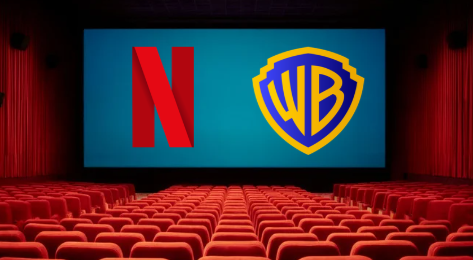

Warner Brothers Studio has been producing films for over 100 years, with notable successes like the Batman films, Harry Potter saga, and the Dune movies. With this much success you would think they would be untouchable. However, in December 2025 the company announced that Netflix would be acquiring Warner Brothers and their television studios.
Warner Brothers is predicted to be worth about 82.7 billion dollars, according to a Netflix press release. So, if Netflix completes this deal it will be no small purchase. Paramount is also in the running for the company but Netflix has made many attempts to close the deal, even going to the extreme of an all cash offer.
If Netflix follows through on the deal, it can be safe to assume that all of Warner Brothers previous projects would likely be put on Netflix, which would make the viewing of these projects very convenient – Netflix is the most used streaming service globally, according to FlixPatrol.
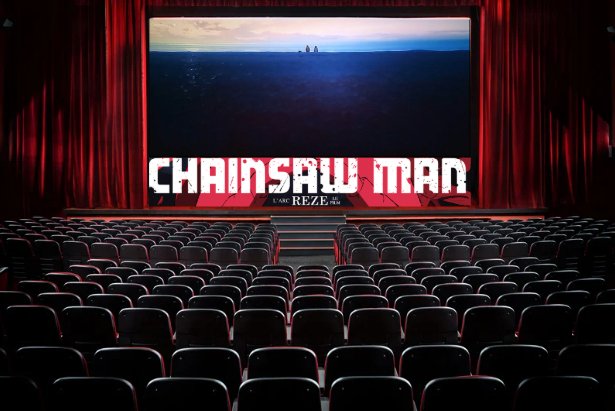
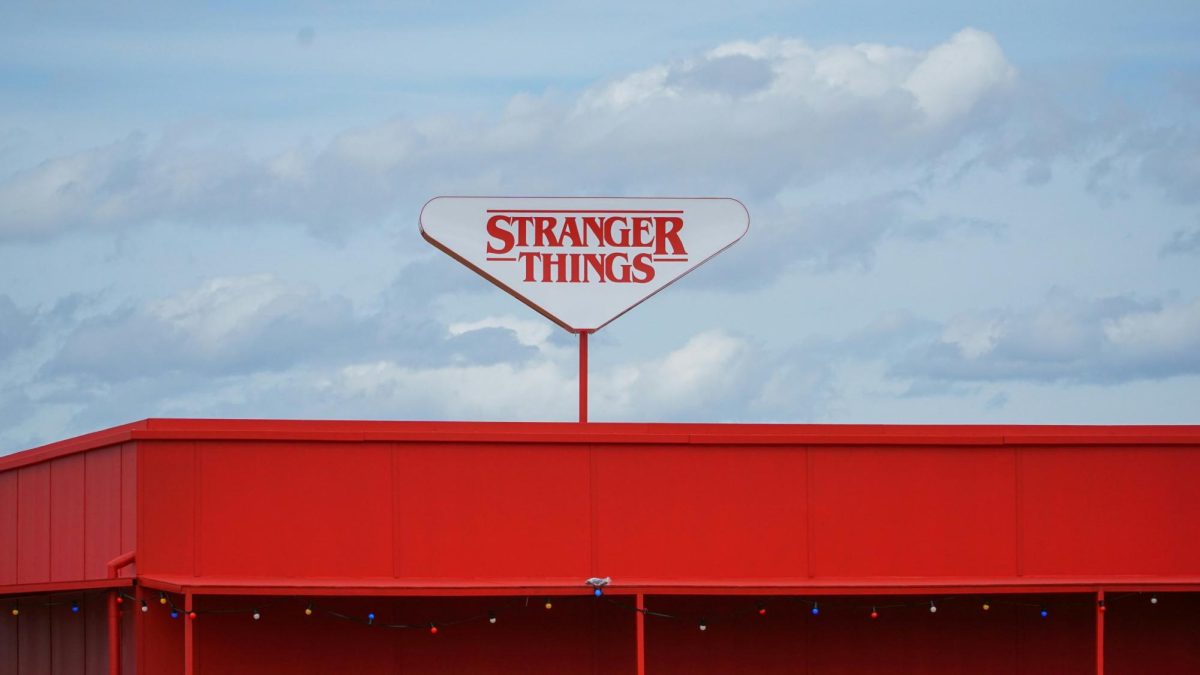
But, what about future projects? Netflix is a streaming service, so them looking to purchase a movie studio begs the question: will they continue to release films in theaters under the banner of Warner Bros? The manager at the AMC theater in Hawthorne says, “because they have released things in theaters before, I think they know what would do well in theaters, and I think it’ll, you know, they’ll kind of pivot towards that.” She’s right – for specific films, Netflix has put them in theaters for a short period of time. Just recently they released the finale of the hit series Stranger Things in select movie theaters.
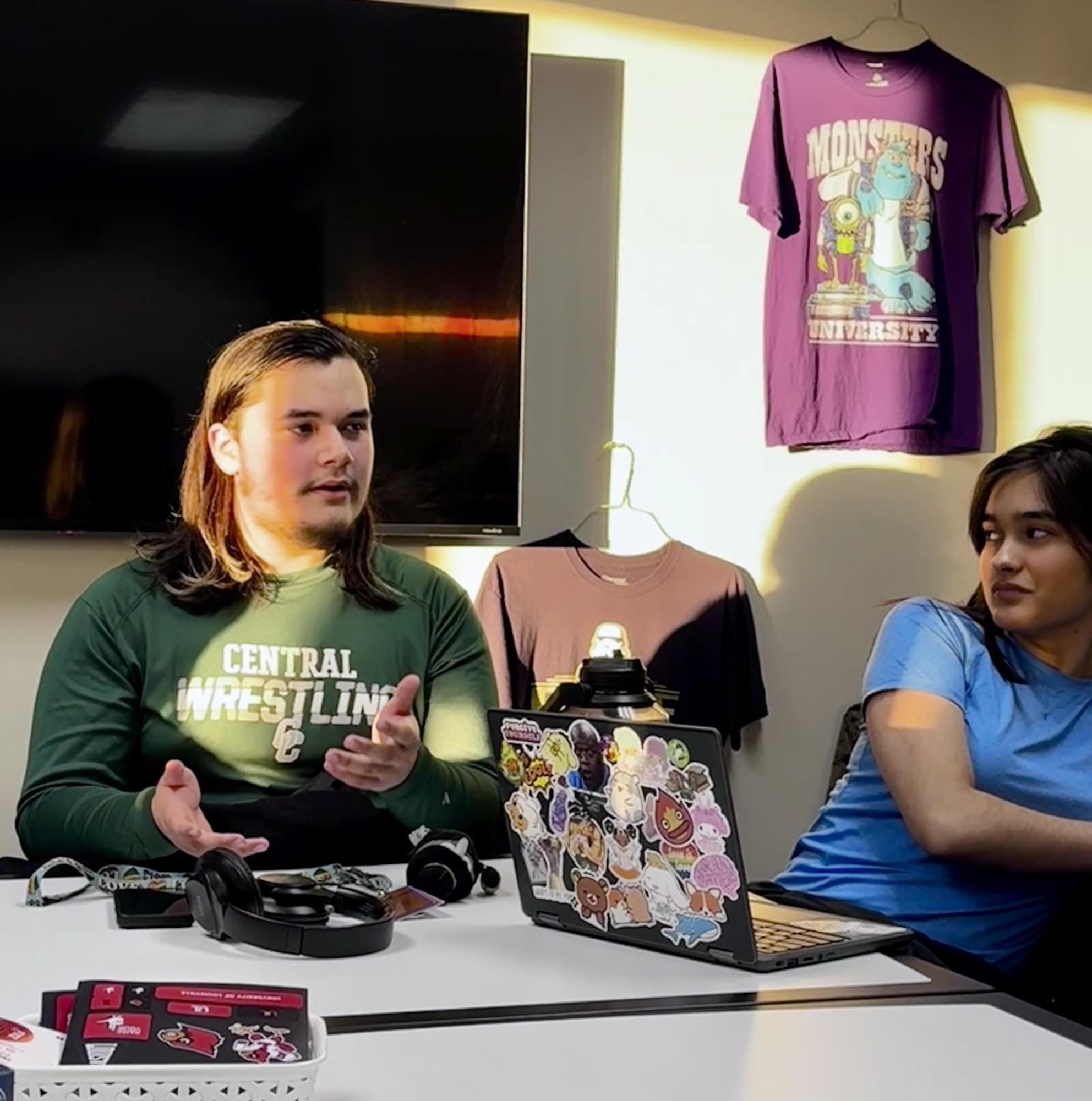
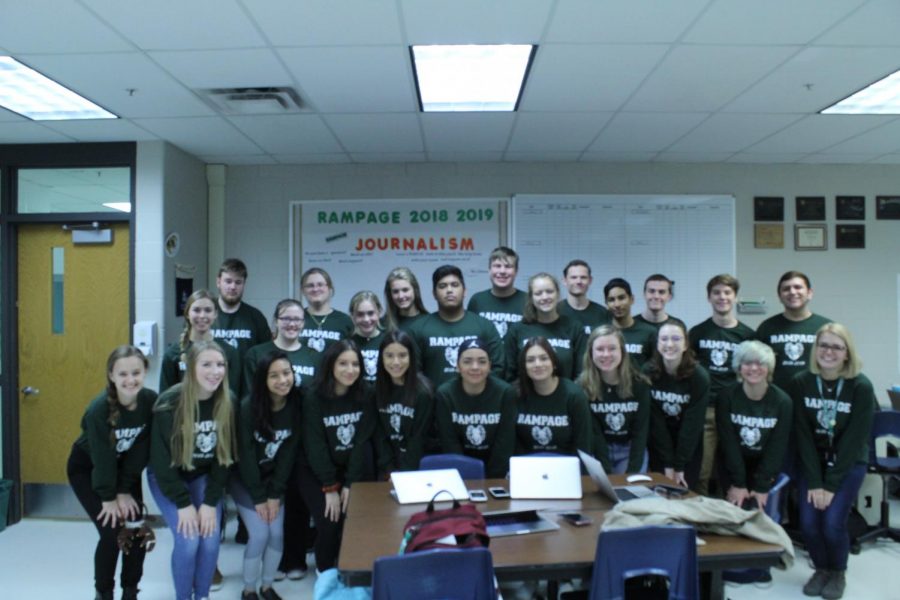
For a second opinion, Rampage reached out to the sponsor of GCHS’ Film Club, Noel Marquardt. Film Club is new this year as a Pilot Club, meaning they have no access to a budget and are not guaranteed to have it again next year. Regarding the impacts of the Netflix Warner Bros. deal she said, “There will be a single platform with far more content than any other player. Other streamers may struggle with the competition. Smaller studios and independents could find it more difficult to get attention or distribution. Independent producers could find it harder to get attention or distribution. This could reduce competition which would mean less incentive to innovate or keep prices down.” Marquart’s comment touches on the fear of a possible monopoly type scenario.
Marquardt also commented on how movies have a bigger impact than television. “Movies offer a higher emotional payoff, faster. I can laugh, cry, be devastated or inspired and will remember and maybe even feel changed, all in one sitting. TV’s payoff is thin – it wanders, repeats itself and sometimes pads itself to fill episodes. When my family has a few hours together at home, we watch a movie because it feels like an event. Turn the lights down low, start a fire, make some special snacks and put the phone away. TV is sometimes just habitual background noise,” Marquart said. If a television focused company was to purchase a giant in the film industry like Warner Bros, this could affect many people who have similar feelings.
This deal could also have impact beyond the screen and the movies. Mr. Jeff Barry, Central’s AP Literature teacher who often uses film in his curriculum said, “spaces that are public places where people go to to kind of like, to be with other people and they interact with other people, and they see other people from their communities and like a lot of those public spaces are disappearing, and I think to get rid of another one of those public spaces… I think it’s kind of dangerous. I think it’s like as we continue to self-isolate and we don’t make those connections, I think that that’s not really a good thing for our society, for all just plugged into our phones and our TVs at home.” He continues, saying “I think it speaks just of cultural shifts and kind of like the fragmenting of society that, you know, it’s not just about movies, but about social media and about these devices that we constantly carry with us everywhere.” If Netflix seeks to monopolize streaming over movies, it could have a serious affect on people’s well being. Movies bring people together and if that were to be eliminated, people’s physical and mental health could take a turn for the worst.
So, with the Netflix Warner brothers merging expected to conclude soon, we can’t know exactly know what might happen. All we know for sure is that the entertainment industry and the film community are about to undergo an extreme change.