









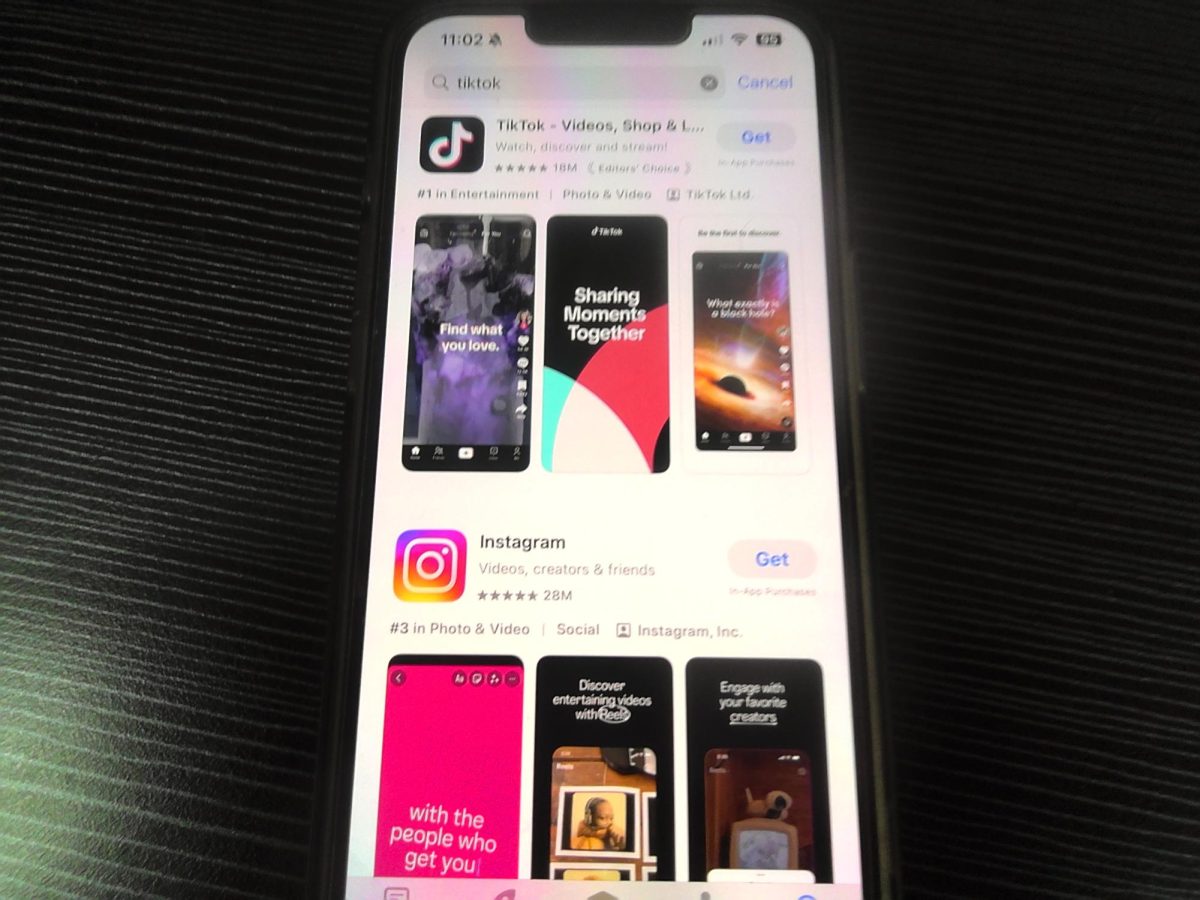





Like any other social media website, TikTok has rules. It has rules for what you can and can’t post, can and can’t say. Of course, I think we can all agree that we don’t want to see racial slurs and inappropriate content in between cute videos of puppies and awesome skating montages. But, a byproduct of these rules is people having to find workarounds to say words that the algorithm might deem inappropriate; in my opinion, words that should not have workarounds.
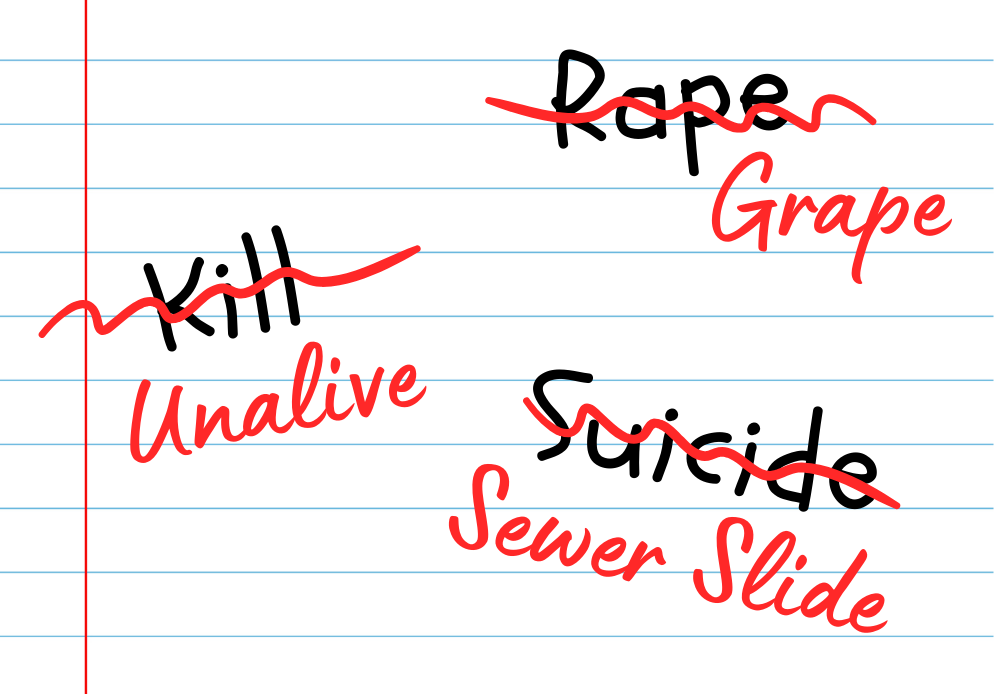
The most common terms I’ve noticed are “unalive,” which is used in place of “death” or “kill,” and “sewer slide,” which replaces “suicide,” respectively. I’ve also seen on my own social media placeholder words for disordered eating, abuse, and genocide. While my opinion on social media moderation can be saved for another day, I do want to speak on why I have issues with these placeholder words.
A lot of these words are used to get around moderation on certain social media platforms, which I understand. Users want to discuss these topics, but the words aren’t allowed. It’s essentially circumlocution, a tactic we’re taught to use in world language classes to discuss things when we don’t know the exact word for it. Also known as “talking around things,” circumlocution is when you use more words when it would make sense to use fewer. This is especially used in vague contexts. You don’t know how to say “banana” in French, so you say “the fruit that is yellow.” You can’t say “animal abuse” on TikTok, so you say “attacking and hurting cats and dogs.” My worry is that when we use simpler, more ‘friendly’ words to reference difficult topics, we are dumbing down the concepts.
All of this moderation is largely to appeal to advertisers. “Murder” can make people uncomfortable. “Genocide” can scare people. Uncomfortable people and scared people don’t buy products. So you don’t get to talk about murder, or genocide, or anything else. That is the real horror story to me.
Suicide is an uncomfortable topic. Genocide is an uncomfortable topic. So is murder, abuse, and assault. They aren’t really supposed to make you feel good. By using algorithm-approved words in place of these terms, I feel like we are simplifying these topics and making them seem less serious than they really are; it’s like sharing ghost stories, rather than talking about genuine issues people so horribly suffer from.
Can you imagine if you were in history class discussing the Tulsa Race Massacre, and your teacher said “a lot of Black Americans were ‘unalived’ by white supremacists?” Is that not terribly insensitive? You’re in English class, discussing The Tragedy of Macbeth, and your teacher says “Lady Macbeth commits ‘sewer slide’?” Doesn’t that sound foolish?
Fundamentally, I understand the need to use these words. TikTok is a major source of news and information in the modern day, and I do not see that changing, whether the word “murder” gets you banned or not. The power of TikTok news reporting is one that isn’t to be understated; I understand that as a journalist myself. I also don’t see the rules on the site changing to suddenly allow people to freely talk about these more serious topics. I’d rather people continue to talk about the news and what is happening in our world on TikTok than halt it altogether. But, I think that the lines between social media and real life must be emphasized and not crossed. Luckily, you won’t get arrested in the United States for saying “murder” out loud, or writing “abuse” in an essay. I think this freedom of speech – which is, unfortunately, not present in some other countries – should be exercised as often as humanly possible. Talk about abuse in your English poetry assignment. Discuss with your history teacher the impacts of ethnic cleansing against Native Americans. Just please, don’t say “unalive.”