




























When immigration enforcement actions happen anywhere near a school community, administrators are the ones who must respond first, often with little warning beforehand and even less information to work with. Across northern Illinois, school leaders are strengthening policies and protections to ensure that students remain safe and focus on learning even as families face uncertainty.
The legal foundation for this work is clear: a student’s right to public education does not depend on their immigration status. Schools are required to treat every student equally, and administrators are trained to guard student information as closely as medical records. Federal law and district policies prohibit staff from sharing personal data, including place of birth, language background, or parental documentation. One of the most important protections schools rely on is the federal “sensitive locations” policy. Under the guidance, locations such as K-12 campuses, places of worship, and hospitals are restricted, where ICE enforcement actions are avoided.
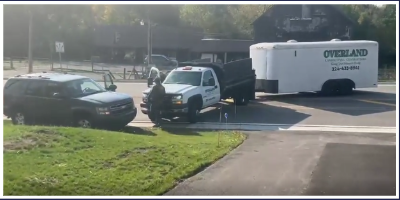
Despite these protections, confusion is widespread. Some families believe officers may come into schools looking for individuals. “I’ve not personally seen it, but I’ve heard that some students have been impacted,” said Grayslake Central Principal Dan Landry. On Oct. 30, 2025, ICE agents were spotted on Warren Township High School property pursuing two people not associated with the school, though the agents did interact with WTHS students and staff briefly, pointing pepper spray at them, according to a communication from Danny Woestman, Superintendent for Warren Township High School District 121.
Clear guidance from District 127 helps teachers understand what to do if immigration does appear near or on school property, in order to ensure that one unexpected moment doesn’t become a crisis in the classroom. Grayslake Central High School and District 127 has published information on their website providing community immigration resources and information to aid students and their families.
“We are here to support our students,” said Landry.