































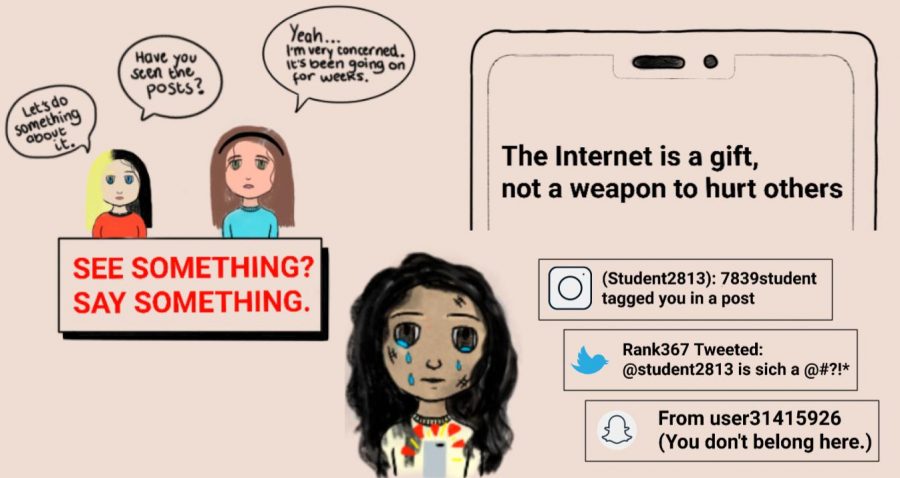



A new phenomenon amongst Gen Z has emerged in the last year: the idea that everything is embarrassing or “cringe.” “If what’s holding our attention online is something that creates or exacerbates loneliness, depression, or anxiety, those could get ramped up by increased engagement with [social media] platforms,” said Janet Cummings Ph.D, in an article by Shelby Crosier for Emory Rollins School of Public Health. Cummings quote could apply to the issues we’re seeing in adolescents today.
Generation Z was the first generation to grow up not knowing a world without a phone. And, despite serving as a way to connect with people who may be far away, it may be doing more harm than you’re aware it is when you’re knee-deep into doom-scrolling or internet surfing.
A majority of adolescents today (all who are the youngest parts of Gen Z or oldest parts of Gen Alpha) were experiencing what is often referred to as their “formative years” during the worldwide COVID-19 lockdown and pandemic that lasted from 2020-2023. This was a period of time where this virus claimed millions of lives, but also left a majority of those left living in a prolonged period of damaging isolation, where the only outlets that were given was turning to social media platforms and the internet, while barred from in-person socialization. And, while that technology may have been useful at the time, that period of abnormal usage has permanently changed the relationship and dependency today’s adolescents have with social media apps.
Many social media algorithms are designed to keep your attention and eventually get you addicted to them, and during a period when all we had was our phones, that became twice as harmful. Instead of boosting informational videos or something helpful, they’ll pick what will most appeal to the masses in hopes of keeping them hooked. The algorithm may occasionally sprinkle in a video or two that includes something you may have expressed interest in or even may have sought out on the app, but a majority of your feed is composed of fast-paced perfection or glamorized chaos that, in any other light, would be seen as delusional or even disturbing without the internet’s beautification.
When you’re young and don’t know any better, and have grown dependent on the dopamine dosage that scrolling has begun to be a fast and easy source of, that can begin to warp the way you have seen certain things before. Perfection is what they mainly peddle, whether it be concerned with perfection in a romantic relationship or in physical appearance. It has begun to set standards that can’t be met and only set people up for extreme disappointment when the elaborate and “perfect” things they expect to happen, don’t.
“People get really sucked into these rabbit holes,” said GCHS Prevention and Wellness Coordinator Kate Oldenburg.“[Social media] sets a standard of people comparing themselves to others and how things should be or what’s cool and what’s not cool.”
Modern teenagers have a tendency of trying to emulate those around them in order to fit in, as social media has demonized the act of sticking out in a crowd and has pushed the notion of conformity. Many teens are often deterred from things or even people if they think they won’t appeal to those they want to appeal to. It has caused a new norm to be set, and that norm can feel isolating to many, but the idea of being anything but the norm makes isolation feel far more comfortable than it should be when you should be going after things you want.
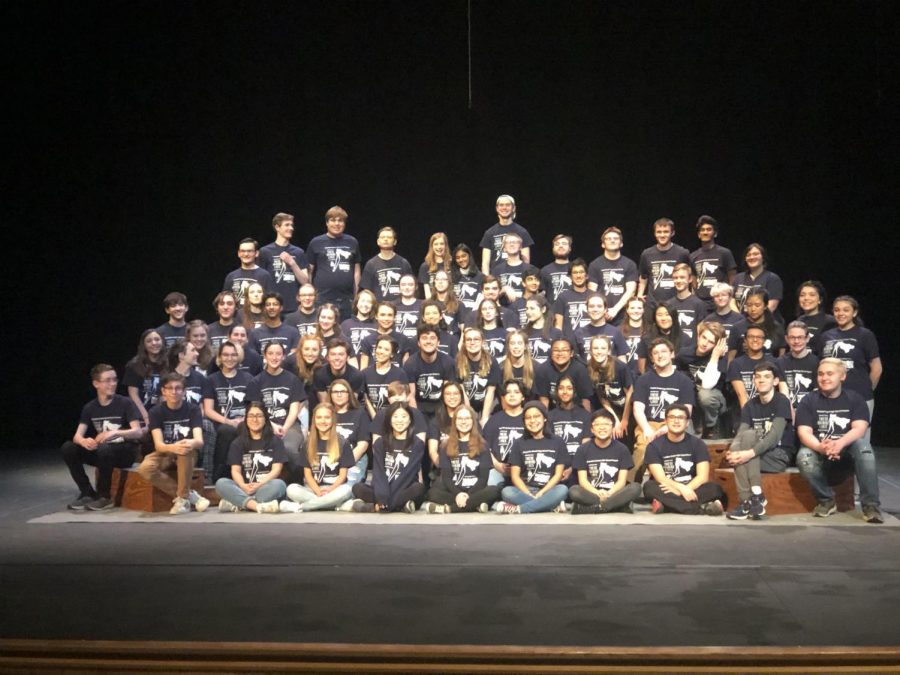
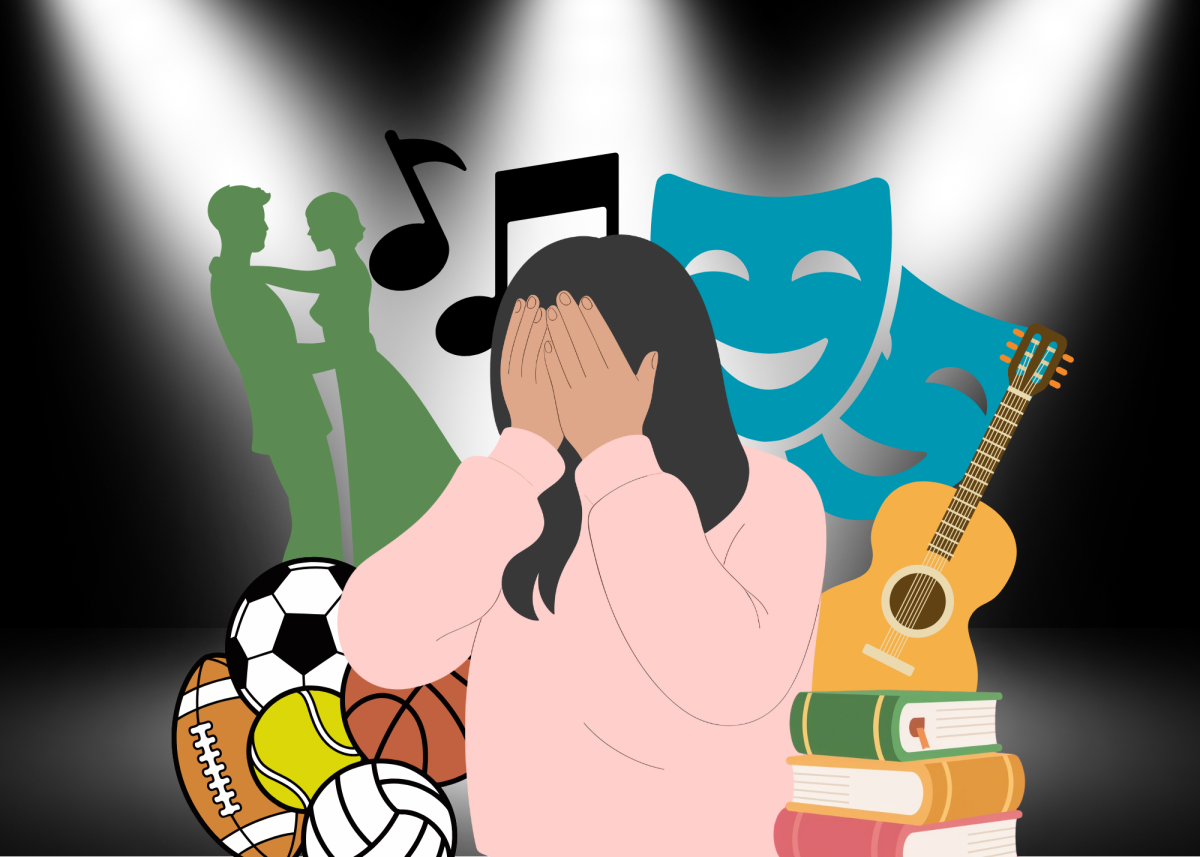
So, because of this, we glorify and only participate in small, “safer” activities. Today’s teens may be drawn to these temporary activities because they have no real commitment to them, which means we can bolt if the opinion around it alters. Things like football games and dances are safe because they have an allotted amount of time to be committed to something, and everyone ‘s attitude has stayed pretty much neutral about. However, things like unique extracurriculars and clubs seem to be less popular because getting involved in an afterschool activity feels like a hefty and permanent commitment that you may not be able to get out of if it no longer is in good graces with your peers.
Mr. Barry Goldman, the Career and College Counselor, said, “I want students to join clubs because [of] their passions and things they’re [able to get] excited for,” and even suggested that certain activities can open one’s eyes to get “involved with different things that you might’ve not known that you were interested in in the past,” but the desire to blend in overcomplicates and sometimes overshadows that otherwise helpful advice.
For many, living this way is far from enjoyable. An intense focus on something as extreme and taboo as perfectibility can worsen existing mental health or self-esteem issues, sometimes leading to serious personal struggles. And not only can it affect an individual’s psyche, but it can also hinder the possible enjoyment of one’s school experience since they are no longer being fully true to themselves, and Mrs. Dianna Repp, the Student Life Coordinator at Grayslake Central, said she believes that getting involved can absolutely have an extreme effect on one’s high school experience.
So, while there isn’t an exact answer, there is an explanation for why having fun is embarrassing.
Adolescents, having been exposed to social media at a young age during a period of time where that had been their only outlet for socialization, are afraid of having fun because they are afraid of stepping out of the isolating box that social media’s norms of over-done perfection has put them into. It can feel impossible to step outside the familiar, as every action that strays from ‘the norm’ seems likely to be embarrassing or cringe-worthy, but it’s important that one tries.