
































Behind every school day is a complex dynamic between students and the teachers who guide them. From the quiet off-task behaviors to moments of genuine engagement, the way students act can dramatically shift a teacher’s experience in the classroom.
On every school day, teachers walk into their classrooms prepared with lesson plans, activities, and goals. Still, even the most carefully planned class can shift in direction depending on one major variable: student behavior. From whispered side conversations to full disruptions, the ways students behave will always have a direct impact on how teachers teach, as well as how students learn.
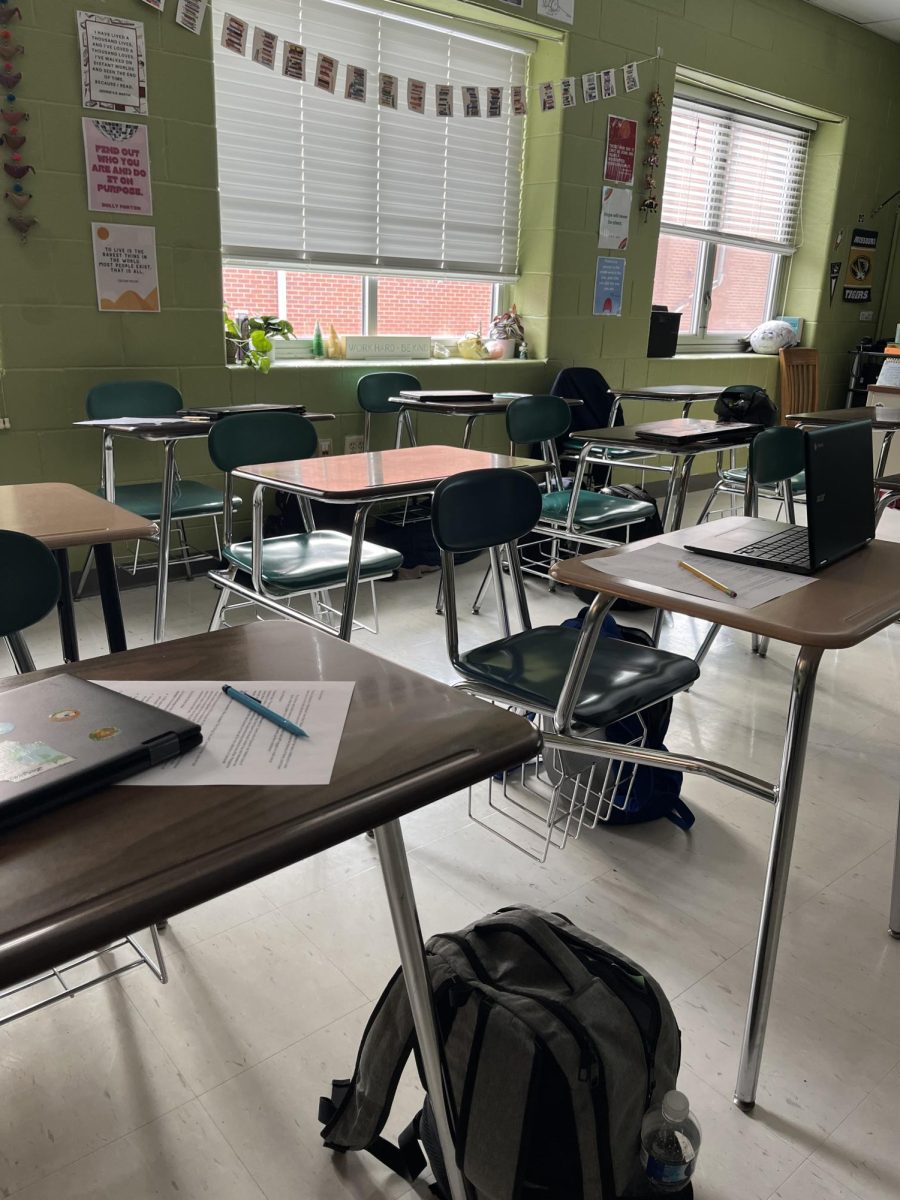
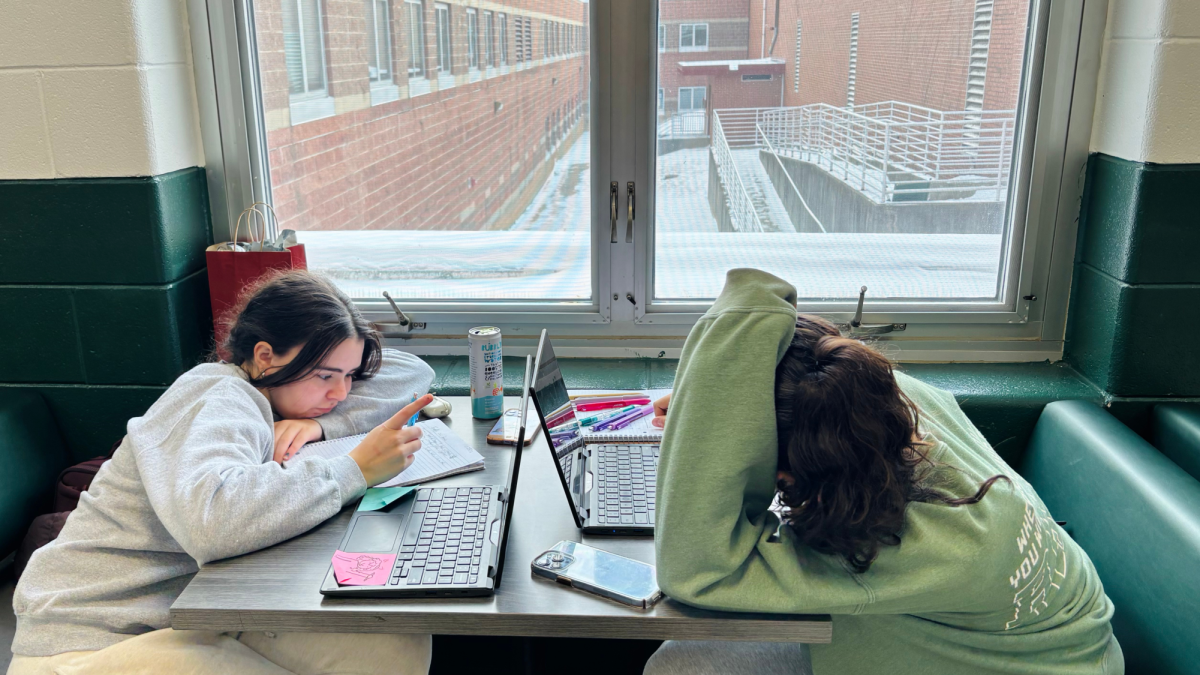
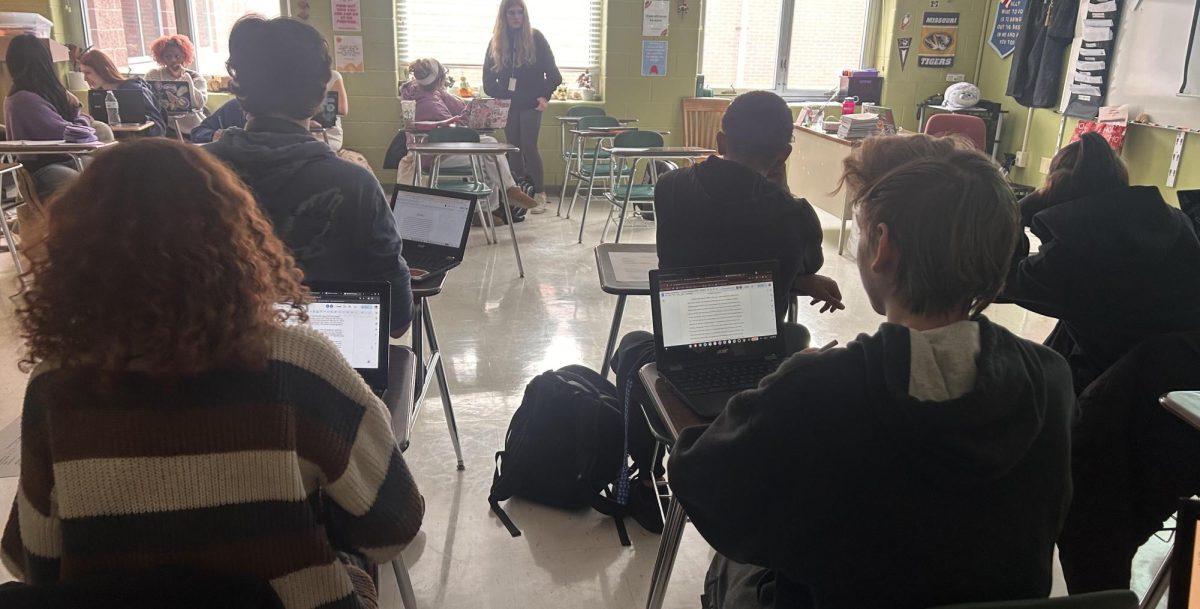
Many teachers say classroom behavior has changed as technology has advanced, and not always for the better. When asked, one Central teacher reflected on this shift, explaining, “I think a few years ago, when the school started implementing around [phones] as much as they were before, also students have one less distractor…but one thing I found was Chromebooks have become more of a problem.” As expectations evolve and students adjust to new norms, educators are facing fresh challenges that influence not only instruction but also their ability to connect with students.
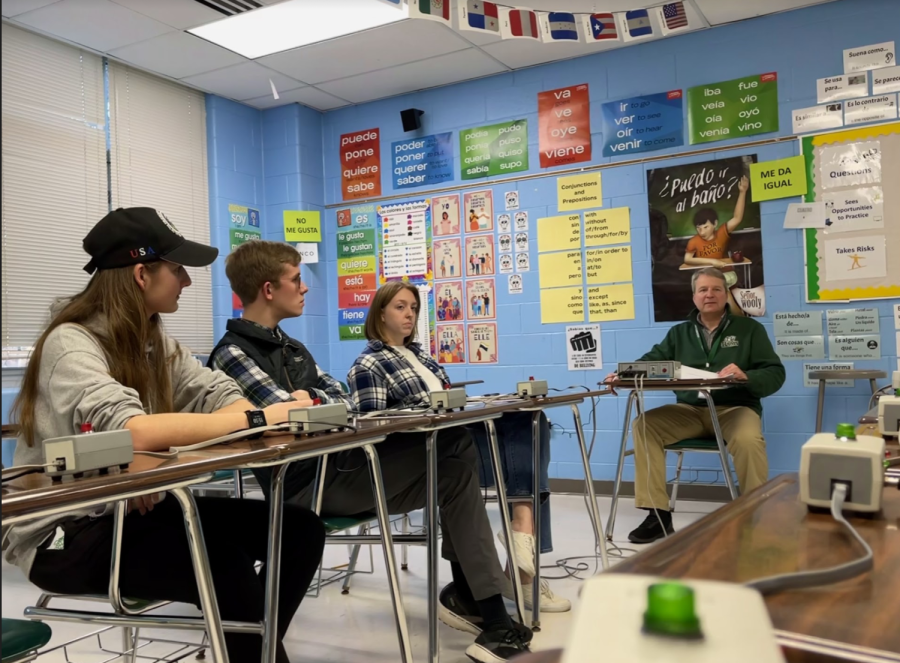
To better understand how behavior affects teachers’ daily lives, Rampage spoke with several staff members at GCHS, as well as a few students. Their perspectives revealed a complex balance between how both respect and participation plays a larger role in classroom management than most students tend to realize. One student, senior Simon Hanson, offered his thoughts on this balance. “If there’s a student that’s not respectful, or just refuses to participate, it can make the teacher very agitated, and more strict than they would otherwise be.”
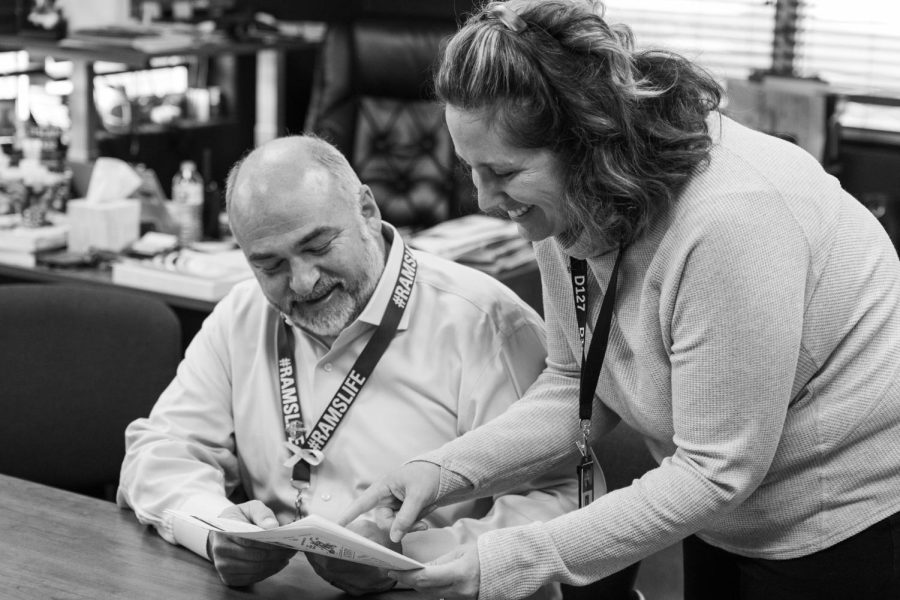
The most disruptive behaviors are not always the loudest, but rather the quiet, unwilling-to-participate behaviors do more to stop the flow of class. When asked, English teacher Taylor Edwards said “it sometimes leads to us losing some of that in-person interaction, where people feel comfortable just talking online and messaging someone rather than participating in class verbally, and it’s harder to get students engaged.”
In the end, the way students choose to behave every day will directly influence not only their own learning, but the experience and enjoyment of the teacher in front of them.